
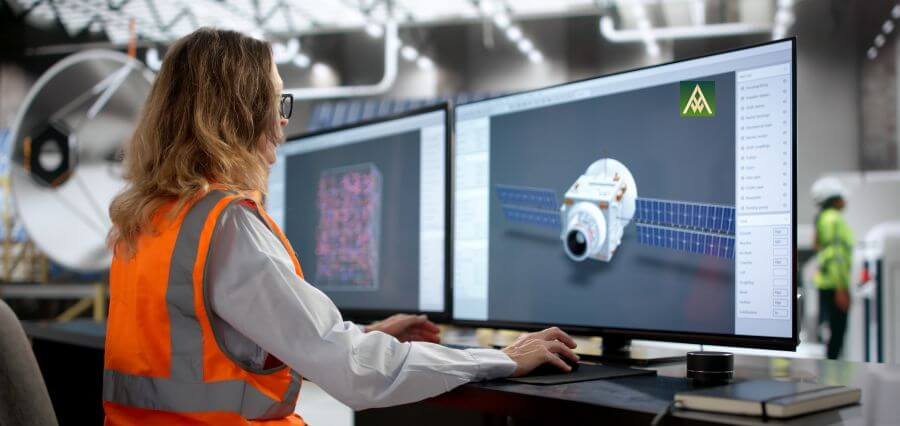
Female Pioneers in Engineering
The infrastructure behind modern economies is the product of countless decisions, each carrying technical weight and real-world consequence. Every bridge, energy grid, transit corridor, and smart city system exists because engineers understood what was at stake and delivered anyway. More of those engineers are women today, and Women in Engineering Leadership are not filling a quota in global infrastructure. They are driving outcomes, setting standards, and changing what the field expects from its most senior voices.
For generations, engineering operated on a narrow idea of who was suited for the work. That idea is giving way, not through institutional pressure, but because the track record of women in the field has made the old assumptions increasingly difficult to defend. Female Pioneers in Engineering are running complex, high-value initiatives and doing so with the kind of technical depth and operational clarity that large-scale infrastructure requires from start to finish.
A Shift Grounded in Strategy
Progress in this space has not happened by accident. Companies that have invested seriously in developing Women in Engineering Leadership are seeing stronger delivery records, tighter risk controls, and teams that hold up better under pressure. The pattern is consistent enough that it cannot be explained away. It comes down to the level of preparation, technical discipline, and professional commitment that women in engineering bring when they are given the scope and authority to lead. In a field where a poor call can cost years and significant capital, that standard matters.
Infrastructure is not a forgiving field. Errors carry long timelines and serious consequences. The leaders rising through it have earned their positions through technical rigor and the capacity to hold competing priorities without losing sight of delivery. Female Pioneers in Engineering operating at the infrastructure level understand that the margin for error is narrow and that the systems they build will outlast the political and economic cycles surrounding them. That understanding shapes how they lead, how they build their teams, and how they approach every decision in the project lifecycle.
Building at Scale Across Disciplines
Global infrastructure is in a period of significant expansion. Energy transition, rapid urbanization, digital connectivity, and climate adaptation are driving demand for engineering leadership that can operate across disciplines, geographies, and regulatory environments simultaneously. Women in Engineering Leadership are meeting that demand with a cross-functional fluency that the sector increasingly depends on to deliver projects on time, within budget, and to the technical standards that communities and governments require.
From structural engineering to water systems, from transportation networks to grid modernization, Female Pioneers in Engineering are advancing projects that define national and regional competitiveness. Their influence is visible not only in the technical decisions they make but in the governance standards they establish, the risk frameworks they build, and the delivery cultures they create within their organizations. The impact reaches beyond individual projects and into how the sector as a whole approaches infrastructure at scale.
Capability Built to Compound
The most durable contribution that Women in Engineering Leadership make to global infrastructure is not any single project or milestone. It is the professional culture they build around them. When women lead at the senior level, they create pathways that did not previously exist. They demonstrate what is achievable, and they develop the next generation of engineers with the same discipline, rigor, and professional seriousness that carried them forward through demanding careers in a historically resistant field.
This effect compounds over time. Female Pioneers in Engineering who build capable teams, who insist on disciplined process, and who hold their organizations accountable to high standards are not simply delivering infrastructure on schedule. They are building institutional capability that persists well beyond individual project cycles and continues to generate value long after any single engagement is complete. That is the definition of structural advantage, and it is exactly what the global infrastructure sector needs as it faces the scale and urgency of the challenges ahead.
The Road Ahead
The infrastructure challenges of the coming decades are not modest. They are generational in scale, global in reach, and urgent in timeline. Meeting them will require the full depth of available engineering talent, and that means ensuring Women in Engineering Leadership have the authority, resources, and institutional backing to operate at the level the moment demands.
The future of global infrastructure will be built by engineers who combine technical mastery with strategic clarity and the leadership depth to bring large, complex organizations with them. Female Pioneers in Engineering have demonstrated, consistently and at scale, that they possess all three. The question is no longer whether women belong in engineering leadership. The question is how decisively the sector moves to build the structures, pipelines, and institutional commitments that allow that leadership to reach its full and necessary potential.