Poultry Feed Production
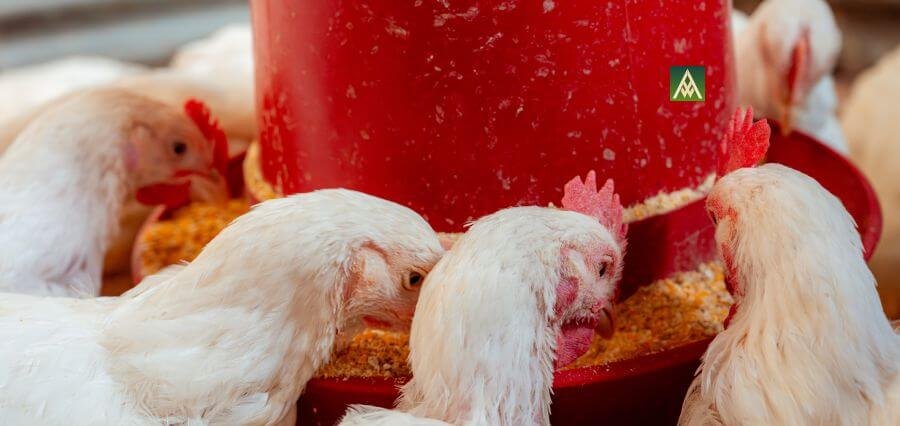
Poultry production throughout the world is increasing as there is a rising demand by consumers for wholesome food proteins. Producers need to satisfy the demands of their consumers by improving the quality and productivity of production. This development would not be possible without Poultry Feed Production, which is the basis for the health and productivity of poultry animals. The quality of feed is important for the growth and immunity of the birds and affects the results of their production greatly.
The poultry industry in the modern world does not only concentrate on high output but also takes into consideration such factors as environmental sustainability, food safety, and animal ethics. That is why many farmers have started applying Animal Welfare Practices, which will provide better living conditions and lead to productivity gains. It is clear that bird well-being and productivity have much in common.
The Importance of Balanced Nutrition
Proper Poultry Feed Production starts by getting to know the dietary needs of the birds depending on their age. Young chicks, broilers, breeders, and layers all have specific diets that must be properly balanced with proteins, carbohydrates, vitamins, minerals, amino acids, and fats. This is accomplished through extensive scientific studies in feed formulation.
Good raw materials not only minimize wastage but improve digestion too, making better use of nutrients by the birds. Nutritional optimization allows producers to attain consistency and cut down on costs of production. Feed manufacturers take quality assurance seriously, spending lots of money in ensuring that each feed batch conforms to nutritional standards.
Animal Welfare as a Core Farming Principle
Proper Animal Welfare greatly helps in improving the condition of poultry. Birds that are bred in a hygienic, ventilated area with enough space, drinking water, and balanced diet have less stress and better immunity. Prevention of health problems through vaccination and veterinary care is another way of improving their condition.
People nowadays have become more aware of how their food products should be produced, with emphasis on ethical production. Hence, in the case of poultry firms, welfare practices have now become a norm of daily business because good management is essential for sustainability.
Integrated Farming for Greater Efficiency
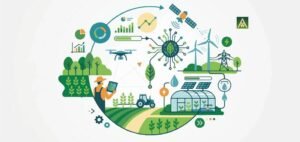
Advantages that are brought about by Integrated Farming Solutions have been felt all along the value chain for the poultry industry. This is because there will be coordination between production of feed, breeding, farming, processing, and even disposal of waste to make sure that resources are effectively used without wastage, and the environment is taken care of.
Such holistic methods will help Livestock Production in developing better planning resources, effective disease prevention practices, and consistent operations. The farmers will be able to see clearly each stage in the process of production to make sound judgments.
Technology Enhancing Feed Quality
Technological advancements in the field of digital innovation are revolutionizing Poultry Feed Production by way of automation in production process, traceability of ingredients, and real-time monitoring of quality. Contemporary feed mills employ state-of-the-art machinery which guarantees precise mixing and nutritional content and quality of the produced product.
These developments ensure that farmers get dependable sources of feeds that help improve their animals’ health as well as reduce variations in production. New developments have enabled better ingredient selection as well as proper nutrition for the poultry.
Preparing for the Future of Poultry Farming
The future of agriculture will depend on many factors such as technological innovations, environmental considerations, and consumer demands that will influence how food will be produced. IFS will take center stage in future agriculture because it will connect all components of the value chain into an integrated process. Technology, science, and partnerships will allow producers to conserve resources while producing quality products.
Livestock Production That Is Ready for the Future requires the continual process of improvement, good management, and innovation. Livestock producers that adopt modern agricultural methods and conduct research will be more equipped to address future problems and ensure food security.
In the end, sustainable success starts with responsible Poultry Feed Production combined with good Animal Welfare Practices. The integration of all four aspects will lead to increased efficiency and ethicality of poultry production. These values contribute to long-term success not only for farmers, consumers, and communities but also for the agricultural industry as a whole by ensuring that the coming generations will be able to enjoy sustainable, healthy and quality poultry.