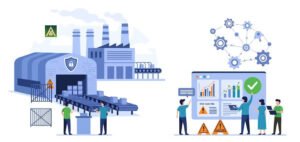

Industrial Leadership
Manufacturing has been an integral part of economic development through its contribution to the growth of industries and technology as well as providing employment. With industries facing stiff competition, changing customer needs and technologies, there is need for industrial leaders to provide leadership in order to adapt to changes. The responsibility of industrial leaders has changed from the past when the main role was to develop strategies that increase productivity without compromising on quality and efficiency. Industrial leaders are key in adapting to changes and coming up with innovations.
Innovation as a Competitive Advantage
Competitive manufacturing businesses understand the importance of innovation in order to keep up. Manufacturing executives support the implementation of innovative technologies, such as automation, robotics, artificial intelligence, predictive maintenance, and smart manufacturing systems in order to increase productivity. They help minimize downtime, increase product uniformity, and use resources effectively. Executives who support innovations and foster them within their teams motivate their employees to look for ways to improve the processes and make suggestions that will help to increase production capacity.
Driving Operational Excellence
Efficiency is at the heart of successful manufacturing operations. Good industrial managers are able to create standardized procedures, which help eliminate waste, increase productivity, and guarantee high-quality products. Using lean manufacturing techniques, continuous improvement activities, and evidence-based decision making, businesses can become more efficient and save on their operations. Quality control systems help to ensure adherence to industry standards and increase consumer trust. Industrial leaders who pay attention to efficiency build systems, in which efficiency is an integral part of daily operations.
Developing a High-Performance Workforce
Human beings continue to be the most valuable resource within any manufacturing enterprise. Industrial managers appreciate that in order to attain excellence in their organizations, it is important to have competent, motivated, and flexible staffs. This can be achieved through continuous training, managerial development, technical education, and interfunctional teamwork where the employees get to develop new skills and prepare for changes in the manufacturing environment. Good communication and participation of the employees result into innovation and responsibility among the staff members. Good leaders appreciate the efforts of each member and develop work environments characterized by trust and responsibility.
Embedding Sustainability into Manufacturing
Environmental responsibility has emerged as a key element of manufacturing strategy. Industry leaders have begun giving greater consideration to matters such as energy efficiency, reducing waste, responsible purchasing, and environmentally friendly production processes in order to reduce their environmental impact. Renewable energy sources, recycling, water conservation, and sustainable supply chain are some of the aspects that can add to the resilience of the business. Consumers, investors, and regulatory bodies are beginning to recognize companies for displaying environmentally responsible behavior. It makes sense for manufacturing firms to build up their reputation through sustainable actions because sustainable manufacturing is not a burden anymore; it is an advantage.
Leading Manufacturing into the Future
The manufacturing industry is set to keep growing through technological developments, digitalization, and changes in the global economy. Business leaders in the industry should be flexible and prepared for future changes. The elements of strategic planning, investments in new technology, and operational management would still make up an effective business model in the future. Business leaders who foster teamwork and learning and focus on customer innovation build companies that can face any change in the marketplace with ease. Manufacturing businesses of the future will be connected and data-driven, and leadership will be the decisive element that makes this possible.
Through the combination of innovation with efficiency, sustainability with profitability, and technology with human skill, leaders of industries build strong organizations that are ready to grow in the future. The focus of such leaders on continuous improvement allows for building strong manufacturing environments, supporting economic development and competitiveness in the international market. Organizations headed by visionaries from the field of industries always win from their competitors, since they build cultures of excellence, accountability, and innovation. With such leadership and management, manufacturers can cope with problems and exploit the new opportunities available.