Prime Highlights
- Construction has started on the Algerian section of the Trans-Saharan Gas Pipeline, a major energy project linking Nigeria, Niger and Algeria.
- The pipeline is expected to create a new export route for African natural gas to international markets, particularly Europe.
Key Facts
- Sonatrach is developing the project alongside Nigeria’s NNPC and Niger’s SONIDEP.
- The pipeline will connect to Algeria’s gas hub at Hassi R’Mel and integrate with existing national and export gas infrastructure.
Background
Work on the Algerian part of the Trans-Saharan Gas Pipeline (TSGP) has now started, which makes it a major jump forward for one of Africa’s biggest energy infrastructure projects. The pipeline is expected to strengthen regional energy cooperation and create a new export route for African natural gas to international markets.
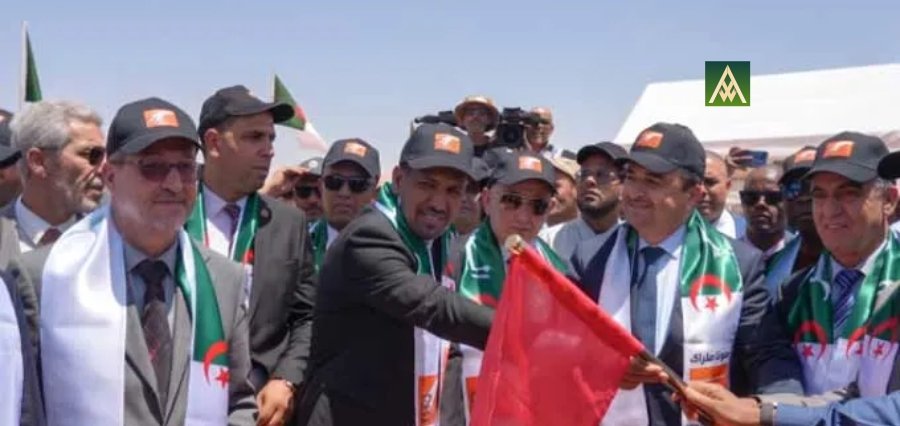
The launch ceremony took place in Aoulef, located in Algeria’s Adrar province, and was attended by senior officials from Algeria, Nigeria and Niger. The three countries’ representatives emphasized that the project is important for improving energy connectivity and strengthening economic development across the region.
The Algerian section of the pipeline will follow the Trans-Saharan Road corridor from the Algeria-Niger border to the National Gas Dispatching Centre in Hassi R’Mel, Algeria’s main gas hub. The route was designed to run parallel to existing roads and gas infrastructure, so it could take advantage of existing logistics and technical networks, say project planners.
Once connected to Hassi R’Mel, the pipeline will link with Algeria’s national gas transportation network and existing export facilities. This integration is expected to improve the movement of natural gas to regional and international markets, particularly in Europe.
The Trans-Saharan Gas Pipeline is being jointly developed by Algeria’s Sonatrach, Nigeria’s National Petroleum Company (NNPC) and Niger’s SONIDEP. The project wants to set up a strategic energy corridor between Nigeria, Niger and Algeria, and also, it’s trying to broaden the access to global energy markets.
The pipeline is also a key initiative under the New Partnership for Africa’s Development (NEPAD). Alongside the Algiers-Lagos Trans-Saharan Road and the Algeria-Nigeria Fibre Optic Link, it is considered one of the continent’s major infrastructure projects aimed at boosting regional integration, trade and long-term economic growth.