
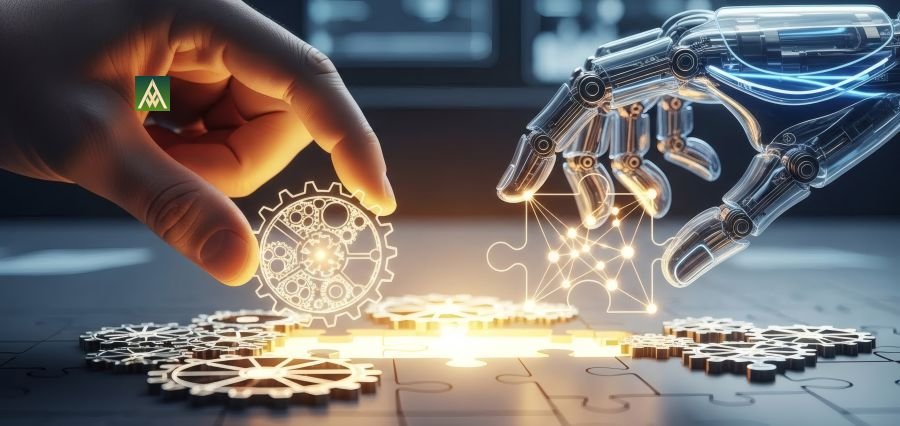
Sensor-Driven Design Innovation
User experience has become the most important factor for product success, which leads companies to redesign their entire product development process from product design through to product delivery. A new design method called sensor-driven design innovation has developed in the time of connected technologies, which uses real-time data to create products with better user experience and interactive capabilities. Experiential product innovation leaders drive this transformation because they focus on developing products that provide users with deep and interactive experiences.
Understanding Sensor-Driven Design
Sensor driven design innovation is defined as the use of sensor and data analysis in the design process. The device collects data from users and their surroundings while monitoring how well the product operates through its built-in sensors. The data is then used to make better design decisions and to make functionality better. Such studies offer key insights for experiential product innovation leaders on product usage in real-life situations and support user-centric product innovation strategies.
Enhancing User Experience Through Data
The primary benefit of sensor-based architectural development brings better user experience to end users. Organizations use real-time data to understand user preferences which they use to modify their products. Smart devices use user behavior patterns to automatically change their operational settings. Experiential product innovation leaders use customer insights to create products which provide seamless experiences that customers will value.
Driving Continuous Product Improvement
In today’s world modern product development requires ongoing improvement processes to succeed. Sensor driven design innovation allows companies to track product performance after launch which enables them to determine potential improvements. The process of continuous improvement enables organizations to implement new changes while they work on solving existing issues and developing new features based on actual information from users. Product innovation leaders who focus on experiential development use their abilities to create products that fulfill user requirements and expectations.
Enabling Predictive and Proactive Design
The primary benefit of sensor-based design innovation lies in its ability to forecast future outcomes. The system uses data patterns to make predictions about user needs together with their upcoming challenges. The solution provides a proactive approach that enhances system reliability while reducing operational interruptions. Predictive insights drive experiential product innovation leaders to create products that are relevant today and relevant tomorrow.
Fostering Innovation and Differentiation
The current market demands that businesses create new products through their process of innovation. The development of distinct products begins with design innovation that uses sensor technology. Through the combination of advanced technologies with insights from data organizations create product features which set their offerings apart from competitors. The product development process requires experiential product innovators who bring together technical skills and user experience knowledge.
Challenges and Considerations
Although sensor-driven design innovation has its benefits, there are also challenges to be faced. The team needs to resolve data privacy and security and system integration questions. The process of handling large data sets together with data accuracy requirements presents difficulties. Product innovators who use experiential methods must maintain their commitment to innovation and ethical standards and regulatory compliance to achieve sustainable business growth.
The Role of Technology Ecosystems
The development of sensor-based design innovation depends on technology ecosystems which provide essential support. The combination of cloud platforms with AI and IoT frameworks enables users to collect handle and analyze data without difficulty. The technologies provide necessary equipment and systems which permit organizations to transform unprocessed data into useful business intelligence. The leaders of experiential product innovation use these ecosystems to create scalable innovation while maintaining uniform user experience across different platforms.
Future Outlook
AI, machine learning, and connectivity will be crucial to the future of sensor-driven design innovation. As these evolve, products will become more intelligent and adaptive. Experiential product innovation leaders will keep driving the design frontier by developing solutions which meet user needs and provide engaging experiences.
Conclusion
To sum up, the design of innovation with sensors is changing the way products are created and experienced. Real-time data and cutting-edge technologies can develop more responsive and user-centric solutions for organizations. Experiential product innovation leaders are the ones who are on the forefront of this change and will be responsible for innovation and the future of product creation through the improvement of product experience and ongoing product improvement.
Other industries, such as healthcare, automotive, consumer electronics and manufacturing, are also getting a bumper treatment from sensor-driven design innovation. Leaders in product innovation who rely on experience are now using sensor data to build systems that are responsive to user interactions and thus enhance the value, safety, and efficiency of a product in various applications and global markets.