
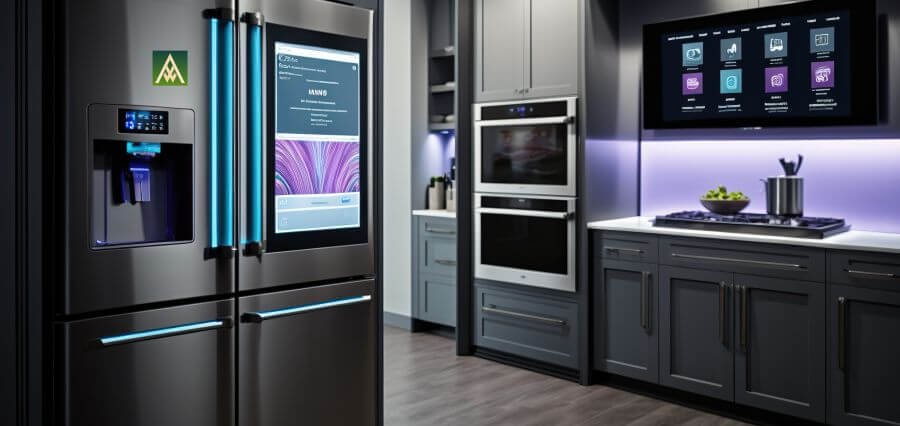
Smart Home and Consumer Electronics
Technology has brought about an altogether new dimension to people’s lives by bringing in efficiency and connection within homes that have not been seen before. The idea of a Smart Home has gone beyond being a luxury to become a viable option to make lives convenient and secure. On the other hand, technology within Consumer Electronics has led to the development of intelligent tools and devices, which are becoming a regular part of our day-to-day activities. This includes voice recognition systems, intelligent lighting, automatic security systems, and other such tools.
Technology Creating Smarter Living Experiences
In a connected home, the use of modern technology not only makes everyday tasks easy but makes things comfortable as well. Artificial Intelligence, IoT and cloud computing make sure that the devices are able to talk to each other in order for the homeowner to control everything via smartphone or even by giving voice commands. The Smart Home is capable of making adjustments to the lighting, managing temperature inside the house, energy consumption, and even increasing security according to the preference of the consumer. On the other hand, Consumer Electronics keep on developing with better interfaces, connectivity and multi-platform compatibility.
Enhancing Security and Convenience
Another important benefit of smart living is the increased level of safety. Smart cameras, smart doorbells, electronic door locks, and motion detectors help owners keep an eye on their properties from any part of the world and receive real-time updates. The use of smart emergency alarms in the house makes life even safer for people by automatically detecting smoke, a gas leak or a break-in. Moreover, the properly designed Smart Home will provide additional convenience because of the availability of robotic vacuums, automated curtains, smart kitchen gadgets, and voice-activated home entertainment.
Driving Energy Efficiency and Sustainability
Conservation of energy has been one of the key considerations for house owners around the world. Smart thermostats enable effective control of the energy used in heating and cooling depending on occupancy, while smart lighting controls energy usage in the house. Energy-monitoring software helps understand how energy is used and enables conservation of resources, thereby helping in saving energy bills. A Smart Home allows individuals to live in an eco-friendly manner through incorporation of renewable energy sources and management of appliances. At the same time, manufacturers of Consumer Electronics are coming up with energy-saving products and recycling of materials.
Innovation Shaping Consumer Expectations
The expectations of consumers keep on changing as technology is incorporated into day-to-day activities. The current consumers look for products that are functional, simple, and reliable, forming part of the ecosystem. To cater for the changing needs, producers are designing wearable technologies, smart TVs, wireless audio devices, health monitoring devices, and intelligent kitchen appliances. Companies dealing with consumer electronics are also embracing the power of artificial intelligence, improved processors, and improved cybersecurity. With each Smart Home gaining new capabilities, innovation continues to be the key driver of making products that ease modern lifestyles.
The Future of Connected Living
The future of smart homes will depend on connectivity, artificial intelligence, machine learning, and predictive automation. In the future, technologies will ensure that homes will anticipate user requirements, enhance energy utilization, and provide customized experiences. Good cybersecurity structures will still be necessary because more devices will become digitally connected. Companies that invest in innovation and user-centric designs will keep on leading the industry. The future smart home is going to be characterized by an intelligent environment that uses technology discreetly to enhance daily activities. Similarly, consumer electronics will evolve through sustainable innovation, intelligent automation, and connectivity to offer people better experiences.
With increased momentum in the process of digital transformation, customers can expect from technology that apart from making life easier, it will also be healthy and productive for them, as well as being environmentally friendly. All of this will help shape a new paradigm of interaction between humans and technology in a futuristic and intuitive environment.