
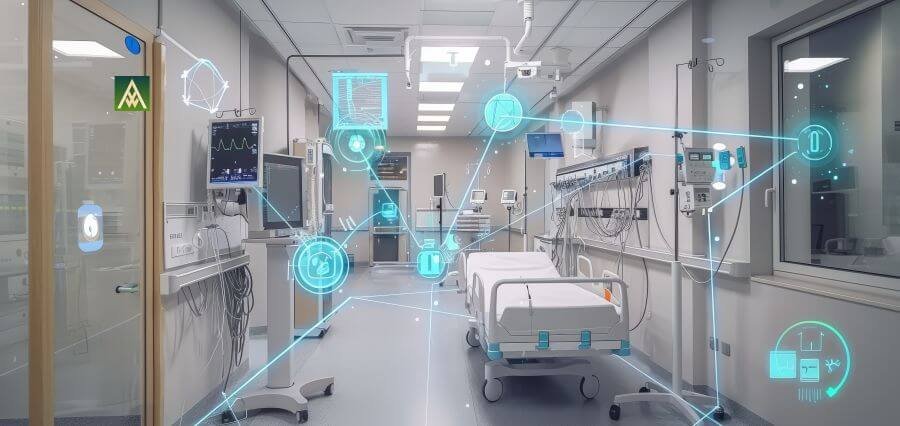
Healthcare Innovation
Digital technologies, artificial intelligence, and medical systems that are linked to the network are changing the health care landscape, at a pace that feels almost unprecedented , and in turn they are reshaping how care is delivered worldwide. Meanwhile patient expectations keep going up, healthcare needs expand, and daily operations are under heavier pressure. Because of this, healthcare providers are looking at advanced digital solutions, not just to improve efficiency but also to support better patient outcomes. In this movement , Healthcare Innovation is taking the lead right now, driving today’s healthcare transformation and keeping long-term sustainability in mind.
At the same time, healthcare companies are putting more emphasis on Smart Healthcare Systems to, basically, strengthen patient support, make better decisions, and roll out more individualized care strategies. These systems use things like remote monitoring, predictive analytics, automation, and electronic health records to keep care environments more intertwined, and reactive. In practice, many healthcare organizations are slowly realizing how vital technology-driven healthcare models are for improving patient access, boosting efficiency, and raising overall satisfaction.
Digital Transformation and Patient Centered Care
The move towards digital health is transforming the provision and management of healthcare services. Conventional healthcare systems heavily depend on manual methods, disjointed patient information, and a patient-centric approach to treatment. Today, Healthcare Innovation is helping healthcare providers shift towards being more proactive, data-informed, and (patient) centered in their care strategies.
Modern Smart Healthcare Systems provide patient monitoring in real-time, remote consulting services (Telemedicine), as well as integration of clinical workflows, which facilitate communication among healthcare professionals and patients. These systems can decrease the administrative burden and facilitate quicker diagnosis and more efficient treatment planning. Digital health solutions are also facilitating access to health care for those in remote or less well-served areas by enabling virtual consultations and constant remote health care.
AI is one of the most impactful aspects of healthcare transformation. Diagnostic systems with AI capabilities can help healthcare workers detect diseases in time and reduce the error rate in diagnosis. Predictive analytics also enables providers to assess patient risk and create plans to prevent patient readmissions and optimize long-term health outcomes.
Technology and Operational Efficiency
Healthcare providers are also embracing cutting-edge technologies to boost the performance of their operations and the management of the resources. Hospitals and medical institutions are under greater pressure than ever to cut expenses and keep quality patient care. In this context, Healthcare Innovation is sort of pushing efficiency by ironing out day to day workflows, automating some routine tasks, and using more intelligent data management systems, so things move quicker.
Healthcare enterprises are adopting Smart Healthcare Systems, sort of stitching together cloud computing along with wearable devices and Internet of Things (IoT) technologies, so monitoring patients feels more continuous and operations become clearer. With wearable devices and connected sensors in place, healthcare practitioners can actually track patient conditions in real time, and then respond promptly when those conditions shift. Such technologies can be especially useful to the management of chronic disease and in adopting preventive healthcare models.
Another key component in digital healthcare transformation is data integration. With interoperable health systems in place healthcare workers can reach patient information in a faster kind of way, not just within one department but across departments and different healthcare facilities as well. When the data sharing is better treatment delays can drop, clinical coordination gets stronger, and medical decisions become more grounded. Still, alongside these increased digital capabilities, healthcare organizations have to also handle patient privacy concerns and cybersecurity risks, carefully.
Building Sustainable Healthcare Ecosystems
Finding that good balance between technology and trust, plus accountability in healthcare operations, is really crucial for where the whole industry is heading next. And to keep high levels of patient safety and privacy, healthcare providers should make sure that their digital transformation plans actually match up with ethical healthcare practices.
Investment in workforce development and digital literacy is, yet again, a crucial piece of Strong Healthcare Innovation strategies. The rising uptake of digital instruments and platforms, along with AI support inside clinical workflows, is leading to a higher need for targeted training from healthcare professionals. Organizations that put money into education and flexible change tend to perform better when it comes to outcomes tied to modernization , and better care delivery .
Meanwhile, Smart Healthcare Systems are supporting healthcare to become more sustainable and resilient in the long-term. The use of automated resource management, predictive maintenance systems, and digital operational tools can help to minimize waste, enhance energy efficiency, and optimize the performance of healthcare infrastructure. These enhancements help to create more sustainable healthcare ecosystems that can master changing patient needs and public health issues.
In conclusion , the coming together of advanced tech, smoother day to day processes, and tailored support is somehow shaping the future of healthcare around the world. Healthcare Innovations , along with commitments to workable Smart Healthcare Systems, should definitely improve patient results , strengthen operational resilience, and also back sustainable long term growth in this constantly shifting healthcare scene.