Prime Highlights
- Twenty-six native Arabic speakers from 13 countries helped build genuine multi-turn conversations for the benchmark.
- Assistant Professor Fajri Koto and researcher Muhammad Dehan led the project, presented at ACL 2026.
Key Facts
- MBZUAI researchers build ArabCulture-Dialogue, a tool covering 13 Arabic dialects across 12 daily life topics.
- Results improve when prompts name the region directly, pointing to strong potential ahead.
Background
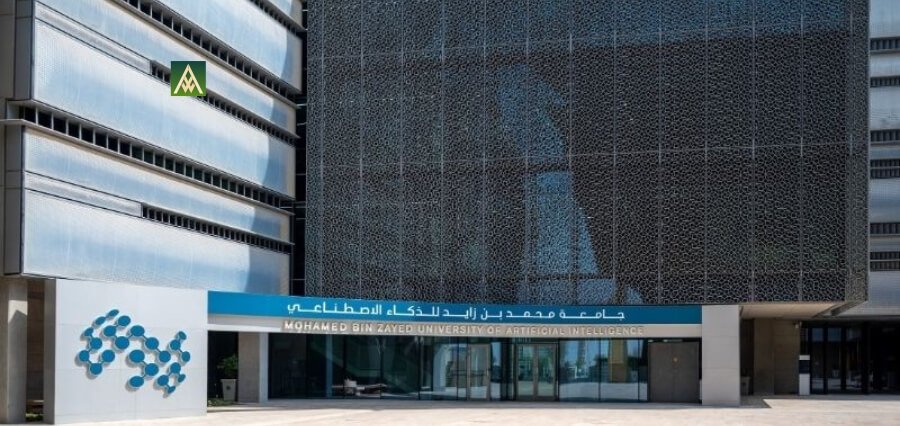
A team at Mohamed bin Zayed University of Artificial Intelligence in Abu Dhabi has built a new tool to check how well AI models handle everyday Arabic across 13 national dialects, going beyond the usual focus on Modern Standard Arabic.
The tool, called ArabCulture-Dialogue, pulls together culturally rich conversations from 13 Arab countries covering 12 daily life topics such as weddings, food, parenting, farming, arts and games. This gives AI models a fuller view of how Arabic is actually spoken across the region.
The team put models through three tests, picking culturally fitting responses, translating between Modern Standard Arabic and specific dialects, and keeping a conversation going in a chosen dialect.
The first test went well for models, which picked suitable responses accurately, while generating dialect speech themselves came out as an area worth building on.
North African dialects and Emirati Arabic stood out in the study as areas with the most growth potential, as models matched the requested dialect roughly half the time.This gives researchers a solid starting point for the next round of model building.
Results also improved once prompts named the country or region directly. This points to something encouraging, that models already carry much of the cultural knowledge needed and simply need a clearer nudge to use it.
Assistant Professor Fajri Koto and researcher Muhammad Dehan led the project, working with 26 native Arabic speakers from 13 countries who helped build genuine multi-turn conversations for the benchmark.
Titled “Cultural Benchmarking of LLMs in Standard and Dialectal Arabic Dialogues,” the paper was presented at ACL 2026 and adds to the growing body of Arabic language AI research.