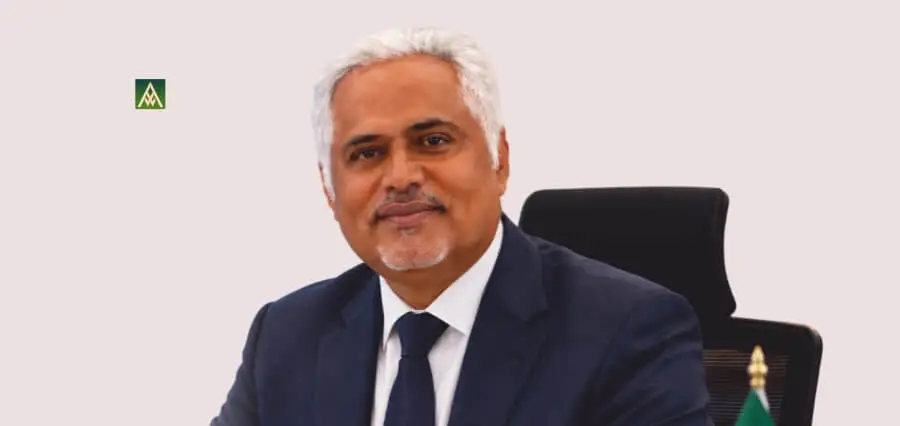
Healthcare rarely improves through one strong department alone. Real progress happens when leaders understand the full continuum, from a patient’s first visit to a primary care clinic to the moment they need emergency or palliative support, and can connect those pieces into something coherent. That kind of perspective usually comes only from having worked across the system itself, not just managed it from above. Dr. Mohammed Al Ghamdi, Chief of Southern Area at Johns Hopkins Aramco Healthcare, brings exactly that vantage point. With three decades spanning emergency medicine, family medicine, palliative care, and healthcare quality, he now leads efforts to make care more integrated, accessible, and consistently centered on patients.
A Leadership Perspective Rooted in Clinical Experience
Dr. Mohammed journey in healthcare has taken him across primary care, emergency medicine, family medicine, palliative care, healthcare quality, and leadership. This experience has provided him with a comprehensive understanding of the healthcare continuum, from outpatient services to emergency and inpatient care. Working across these different areas has also given him valuable insight into how different parts of the healthcare system interact and how patients experience care across various settings.
His experience in diverse healthcare environments has strengthened his understanding of the importance of seamless care integration, effective coordination, and a truly patient-centered approach. It has also helped him recognize that patients have different needs and expectations at different stages of their healthcare journey. This understanding has shaped his view of how healthcare systems can be designed to better meet those needs.
From a leadership perspective, his clinical and healthcare quality experience has strengthened his ability to analyze complex systems, identify gaps and opportunities for improvement, and implement solutions that enhance quality, safety, and patient experience. His approach is centered on building healthcare services that are integrated, efficient, and focused on delivering the best possible outcomes for the populations served.
From Clinical Practice to Healthcare Leadership
The breadth of Dr. Mohammed’s professional experience has played an important role in shaping his approach to healthcare leadership. Having worked across different levels of the healthcare system, he has developed a strong appreciation for the need to balance clinical excellence, quality outcomes, operational efficiency, and patient experience.
His clinical background allows him to understand the realities faced by patients and frontline caregivers. His healthcare quality experience provides him with the ability to identify systemic gaps, measure performance, and drive continuous improvement. His leadership perspective brings these experiences together when addressing challenges and implementing change.
This combination has influenced the way he approaches improvements in healthcare services. Whether the focus is improving access to care, enhancing care coordination, or strengthening quality and safety programs, he considers the ability of each decision to improve patient outcomes and create long-term value for the communities served.
Ultimately, his goal is to ensure that healthcare improvements are not only effective in the short term but are also sustainable, scalable, and capable of delivering better health outcomes and experiences for patients well into the future.
Leading Healthcare Services Across the Southern Area
Since becoming Chief of Southern Area, Dr. Mohammed’s role has evolved significantly in both scope and complexity. The Southern Area covers a large geographic region and includes standalone outpatient and primary care services as well as community-based hospitals that deliver a comprehensive range of healthcare services.
This responsibility has expanded his focus from individual service delivery to ensuring seamless integration and coordination across the entire continuum of care. Managing healthcare services across multiple locations and levels of care requires attention to both operational excellence and patient-centered care.
The diversity and geographical scope of the area also require a strong focus on collaboration, resource optimization, and continuous improvement. For him, healthcare services need to remain available, accessible, and responsive to the needs of patients while maintaining high standards of quality and safety.
His priorities include improving access to care, enhancing the patient experience, strengthening care integration across different settings, and building a culture of quality, compassion, and accountability.
His goal remains consistent across every level of care. Whether a patient is receiving treatment in a primary care clinic, a community hospital, or a palliative care setting, the care provided should be safe, effective, person-centered, and focused on achieving the best possible outcomes.
Bringing Quality, Clinical Experience, and Leadership Together
Dr. Mohammed’s 30-year healthcare journey has exposed him to significant changes, challenges, and opportunities within healthcare delivery. This breadth of experience has shaped his decision-making, leadership approach, and understanding of what is required to create meaningful and lasting improvements in patient care.
His clinical experience provides a direct understanding of patient needs and the challenges faced by frontline healthcare professionals. At the same time, his knowledge of healthcare quality enables him to assess systems, identify gaps, measure performance, and support continuous improvement.
As a leader, he brings these perspectives together when addressing organizational challenges. His focus is on developing solutions that are patient-centered, evidence-based, sustainable, and efficient.
This approach is particularly important when improving access to healthcare, strengthening coordination between services, and improving quality and safety programs. For him, each improvement should contribute to better patient outcomes while creating long-term value for the communities served.
His leadership therefore goes beyond implementing individual changes. It focuses on developing healthcare services that can continue to improve, adapt, and deliver meaningful outcomes over time.
Trust, Transparency, and Respect at the Core
Trust, transparency, and respect are the leadership principles that guide Dr. Mohammed when building teams and supporting both patient and employee satisfaction.
He believes, “High-performing teams are built on a foundation of trust, where individuals feel valued, supported, and empowered to contribute their best work.” Trust also creates an environment where people can work together with confidence and take responsibility for their roles.
Transparency is equally important. Open communication, clear expectations, and honest dialogue help create alignment and accountability. These qualities become particularly important during periods of change or operational challenges, when teams need clarity and confidence in their leadership.
“Respect is central to every interaction, whether with patients, families, physicians, nurses, or support staff.” Creating a culture where people feel heard, appreciated, and treated with dignity can strengthen employee engagement while also supporting a better patient experience.
He sees patient satisfaction and employee satisfaction as closely connected. Engaged and motivated employees are better positioned to deliver compassionate, safe, and high-quality care. For this reason, his focus is on creating an environment where healthcare teams can thrive while patients receive accessible, person-centered care that meets high standards of quality and excellence.
Building Teams Around Collaboration and Shared Goals
Throughout his leadership positions across primary care, Al Hasa, Abqaiq, and emergency care, one of the important challenges in his progression has been building and sustaining effective leadership teams that work collaboratively toward shared goals.
Healthcare organizations bring together highly skilled professionals, but bringing diverse teams together around a common purpose requires deliberate effort and consistent leadership. For Dr. Mohammed, “Success is not only about processes and structures but also about shaping behaviors and fostering an environment where people feel respected, empowered, and aligned around a common purpose.”
Addressing this challenge has involved encouraging open communication, promoting cross-functional collaboration, and ensuring that leaders model the values and behaviours expected throughout the organization.
A key focus has been creating a culture where teams work together rather than in silos. Patients and organizational priorities remain at the centre of decision-making. By investing in relationships, building trust, and reinforcing shared accountability, teams can strengthen their collaboration and engagement.
This approach supports better outcomes for both patients and employees. Over time, he has found that cultivating the right culture is one of the strongest drivers of sustainable performance, quality improvement, and organizational success.
Continuous Learning as a Leadership Responsibility
Healthcare continues to develop across palliative care, healthcare quality, public health, regulations, compliance, and population health. Dr. Mohammed considers himself an avid and proactive learner and actively seeks opportunities to expand his knowledge across these areas.
His approach to learning includes reading books and professional publications, attending conferences and industry events, participating in leadership forums, and engaging with subject matter experts.
One of the most valuable aspects of his professional development has been building and maintaining a strong professional learning network. Connecting with colleagues, healthcare leaders, and experts from different disciplines provides him with diverse perspectives and practical insights that can be difficult to gain through formal education alone.
These professional relationships allow him to learn from the experiences of others, exchange ideas, and remain informed about leading practices and emerging trends.
For him, continuous learning is essential to informed healthcare leadership. Combining evidence-based knowledge, regulatory awareness, professional networking, and real-world operational experience allows him to make decisions that support high-quality, patient-centered, and sustainable healthcare delivery.
The Meaning of Patient Care and the Lessons of COVID-19
While Dr. Mohammed takes great pride in the leadership roles he has held and the organizational improvements achieved throughout his career, caring for patients at the bedside remains the most meaningful part of his healthcare journey.
The opportunity to directly support patients and their families during some of the most important moments of their lives continues to be the most rewarding aspect of his work. This experience has also continued to shape his perspective as a leader.
From an organizational standpoint, one of the most important milestones in his career was helping guide the organization through the COVID-19 pandemic. Navigating such an unprecedented public health crisis required resilience, adaptability, collaboration, and decisive leadership.
The pandemic required critical decisions to be made under rapidly changing circumstances while maintaining patient safety, supporting the workforce, and ensuring continuity of care.
The experience reinforced the importance of teamwork, communication, and a strong sense of purpose. It also strengthened his appreciation for the dedication of healthcare professionals and showed him the importance of leaders remaining visible, accessible, and supportive during periods of uncertainty.
The lessons from bedside care and the experience of leading through COVID-19 continue to influence his leadership approach. They remind him that healthcare is ultimately about people and that leadership requires a balance between operational excellence, compassion, empathy, and an unwavering commitment to patient-centered care.
Balancing Clinical Responsibilities and Leadership
“Maintaining effectiveness in a senior healthcare leadership role requires a clear focus on priorities, strong teamwork, and effective delegation.” Dr. Mohammed recognizes that healthcare is a complex environment with competing demands and that it is not possible to achieve success alone.
He believes in surrounding himself with capable teams, empowering them, and creating a culture of accountability and collaboration. Setting clear priorities allows him to focus on initiatives and decisions that have the greatest impact on patient care, quality, and organizational performance.
Effective delegation allows responsibilities to be entrusted to the right individuals while ensuring that they receive the support and guidance needed to succeed.
At the same time, he remains connected to frontline realities while maintaining a strategic perspective. This enables him to make informed decisions that balance patient needs, operational requirements, and long-term organizational goals.
Team development remains an important part of this approach. Investing in people creates a stronger and more resilient organization that can deliver sustainable improvements in care.
He says, “Maintaining effectiveness is about leveraging the strengths of the team, fostering collaboration, and ensuring that every decision remains centered on providing safe, high-quality, and accessible care for our patients.”
Guiding Healthcare Professionals Toward Leadership
For healthcare professionals who want to move from clinical roles into leadership, Dr. Mohammed believes having a clear vision early in one’s career is important. A defined purpose can guide career decisions, create opportunities for growth, and provide direction during challenging periods.
Leadership development is a journey that requires patience, continuous learning, and a willingness to take on responsibilities beyond clinical practice. Healthcare professionals should seek opportunities to broaden their experience, understand healthcare systems, and develop skills in communication, teamwork, and strategic thinking.
At the same time, he believes “professionals should never lose sight of why they entered healthcare in the first place: to serve patients.”
Even when moving into leadership positions, maintaining a strong connection to patient care and understanding the patient experience remain essential. The most effective healthcare leaders are those who can balance organizational priorities with a genuine commitment to improving the lives of the people they serve.
For him, having a clear vision, staying focused on goals, embracing continuous learning, and remaining grounded in patient-centered values can make the difference between simply managing healthcare services and truly leading meaningful change.
Contributing to Saudi Arabia’s Healthcare Transformation
Looking toward the future, Dr. Mohammed’s aspiration is to contribute to the Kingdom’s healthcare transformation by supporting the goals set out in Saudi Vision 2030. He is passionate about helping healthcare organizations evolve, thrive, and deliver greater value to the communities they serve.
As a healthcare leader, he hopes to continue sharing his experience and supporting the development of innovative, patient-centered healthcare models that improve access, quality, and population health outcomes.
He believes, “Collaboration, knowledge sharing, and continuous improvement are essential to strengthening the healthcare ecosystem across the Kingdom.” His interests are particularly focused on contributing to the advancement of palliative care, population health management, and integrated healthcare services that focus on prevention, wellness, and long-term sustainability.
His vision extends beyond the growth of his own organization. He also wants to help other healthcare organizations succeed in their transformation journeys.
Ultimately, He envisions Saudi Arabia becoming a global leader in healthcare innovation, quality, and patient-centered care. He believes that developing people, strengthening systems, and improving health outcomes can contribute to that vision.
For Dr. Mohammed Al Ghamdi, leadership in healthcare is rooted in people. His journey across clinical practice, healthcare quality, palliative care, and senior leadership has strengthened his commitment to creating services that are accessible, integrated, safe, and centered on patients. Through continuous learning, collaboration, trust, and a clear focus on quality, he continues to contribute to the development of healthcare services and better outcomes for communities across the Kingdom.