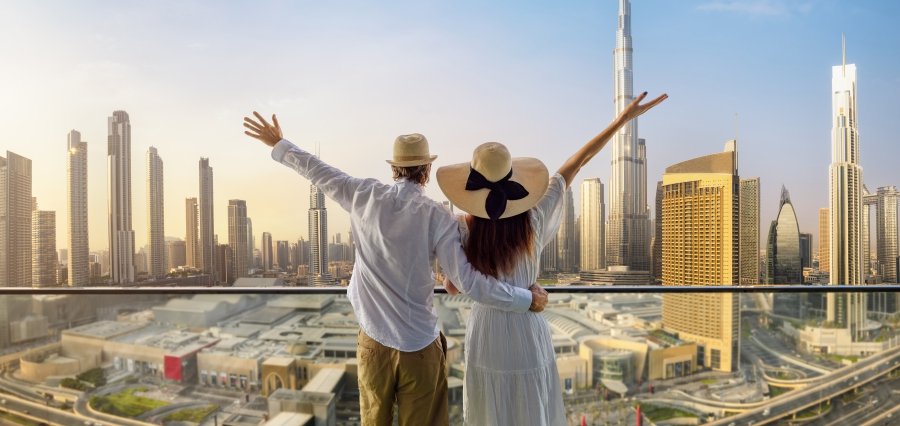
The UAE did not build its reputation as a global destination by accident. Decades of steady investment in infrastructure, hospitality and visitor experience have turned a region once defined by oil into one of the most visited places on the planet. The UAE tourism industry now sits at the center of the country’s long-term economic strategy and its reach extends well beyond hotels and airports. From the towering skyline of Dubai to the cultural landmarks of Abu Dhabi, every part of the country has been developed with the visitor in mind, and that attention to detail is something travelers consistently notice.
What was once a modest stop on regional travel routes has grown into a destination that draws tens of millions of visitors annually from every part of the world. For anyone trying to understand where the UAE is headed economically, tourism is one of the most important places to look. The numbers are strong, the growth has been steady and the ambition driving it shows no sign of letting up.
How the UAE Tourism Industry Took Shape
The foundation came together through equal parts vision and infrastructure. Dubai led the charge, developing world-class airports, landmark attractions, and a hospitality sector capable of standing alongside the best in any major city. Abu Dhabi took a different path, building its offering around culture, heritage and luxury. Sharjah focused on arts and family tourism. Each emirate found its own footing while adding to a larger national picture.
The UAE tourism industry grew as quickly as it did not just because of what was built but because of how consistently and ambitiously it was taken to the world. Airline partnerships, targeted global campaigns and an open visa policy that welcomed travelers from dozens of countries all contributed. The outcome was a destination that worked for a wide and varied range of visitors.
The Economic Impact of UAE Tourism
Tourism is not a secondary concern in the UAE. It is a central pillar of economic diversification and one of the main forces behind travel industry growth across the region.
Dubai alone generates billions of dollars in tourism revenue each year. Hotels, retail, dining, transport, and entertainment all see direct benefit. Beyond those headline sectors, tourism creates demand across a broad network of supporting industries, from construction and logistics to finance and technology, sustaining hundreds of thousands of jobs in the process.
The UAE government has worked consistently to connect this growth with wider national ambitions. Major campaigns from Dubai Tourism and significant cultural investments in Abu Dhabi are not isolated efforts. They form part of a joined-up strategy to attract visitors across every spending bracket, from those looking for value to those seeking the most premium experiences available anywhere in the world.
What Drives Visitors to the UAE
Getting to grips with the UAE tourism industry means understanding what brings people here and what makes them come back. No single factor explains it. It is a combination that most destinations would find hard to put together.
The weather pulls visitors in during the cooler months between October and April. Shopping, anchored by some of the biggest retail destinations on the planet, draws travelers from Asia, Europe, and Africa. The dining scene has developed into something that genuinely stands on its own, covering virtually every cuisine with quality to match. Wellness, adventure, business events and cultural tourism have each carved out a solid presence of their own.
Security is a factor that deserves more recognition than it typically receives. The UAE is consistently rated among the safest countries in the world. For families, solo travelers, and first-time visitors, that assurance carries real weight in the decision to visit.
Travel Industry Growth and What It Reflects
The travel industry growth the UAE has put together over the past decade points to something more substantial than effective promotion. It reflects a sustained and serious effort to raise the quality of the visitor experience at every stage of the journey.
New hotels, expanded airports, improved public transport, and a packed international events calendar have each played a part in keeping the UAE relevant and compelling year after year. Expo 2020 Dubai brought millions of visitors to the country and showed what the UAE could deliver when it set its sights on something at the highest level.
The stopover market has also been a key driver here. Dubai International Airport handles some of the heaviest passenger traffic in the world, and a meaningful share of those transit visitors have returned as dedicated tourists after getting a first look at what the city offers.
Challenges the Industry Navigates
Growth does not come without difficulty, and the UAE tourism industry has had its share of tests. Economic headwinds, shifts in currency values and regional uncertainty can all put pressure on visitor numbers. The pandemic period showed just how exposed the sector could be when global movement stopped and how much effort rebuilding that confidence required.
The UAE moved to reopen sooner than most, put clear health measures in place, and channeled energy into developing new products and strengthening digital capabilities during the slowdown. The recovery that followed ranked among the fastest anywhere in the world, reflecting both the strength of the destination and the quality of its leadership.
Sustainability has become a more pressing concern as the industry has scaled. Greater visitor numbers put strain on infrastructure, natural resources and urban systems. The UAE has responded with green building requirements, clean energy programs and a growing commitment to responsible tourism across the emirates.
The Future of UAE Tourism
The UAE tourism industry is not treating past success as a reason to ease up. National targets point to continued growth in visitor arrivals, accommodation capacity and tourism’s overall contribution to the economy. Across the emirates, new attractions, cultural projects, and entertainment venues are at various stages of development.
Travel industry growth going forward will depend increasingly on the ability to manage scale without sacrificing quality. The UAE has demonstrated it understands that balance, putting as much thought into the experience visitors have as into the numbers coming through the door.
Conclusion
The UAE tourism industry has established itself as one of the most active and economically important sectors in the region. It was not built quickly or casually, and there is little to suggest it will lose momentum. For businesses, investors, and visitors, this industry represents one of the clearest indicators of where the UAE economy is going and how seriously the country takes getting there.
Travel industry growth in the UAE is not the result of favorable conditions alone. It is the product of deliberate planning, consistent investment and a long-term commitment to being a destination the world keeps choosing.