
Walk into almost any hotel lobby today and the change from ten years ago is hard to miss. Guests aren’t just carrying suitcases anymore, they’re carrying habits built by same-day delivery, one-tap ordering, and instant confirmations on their phones. A tidy room and a friendly face at the desk still matter, but on their own, they don’t make a stay memorable. Travelers expect the whole journey, from booking to checkout, to feel fast and easy, and they pick up on it right away when a hotel falls short of that.
Even a slow check-in line or a confusing booking form can shape how a guest feels before they’ve reached their room. This growing expectation is exactly why Digital Guest Experience has moved from a nice-to-have feature to a core part of how hotels, resorts, and travel brands plan their service today. It is no longer treated as a separate department’s concern, it now touches marketing, operations, and guest relations all at once. Properties that take this seriously are already seeing the results in guest satisfaction scores, stronger reviews, and guests who choose to return.
What Digital Guest Experience Actually Looks Like
Strip away the jargon and Digital Guest Experience simply means using technology to remove the small frustrations from a guest’s stay. It looks like online check-in that skips the line at the front desk. It looks like a mobile key that replaces the plastic card guests always seem to misplace by day two. It looks like a quick chat option for room service instead of a phone call that gets left on hold.
None of this is flashy on its own, but together it changes how a stay feels. The point isn’t to dazzle guests with gadgets, it is to hand back their time and quietly remove annoyances they would otherwise just put up with. When it is handled well, a property feels current, attentive, and simple to deal with, even if the guest never consciously notices why.
Why Contactless Hospitality Became the Standard
A major part of this shift has a name, Contactless Hospitality. After a few years of heightened attention to health and cleanliness, guests grew far more careful about shared surfaces, keycards, and standing at a counter someone just touched. It answered that concern directly, offering digital check-in, mobile payments, and app-based requests that guests could manage entirely from their own device.
What’s interesting is that this approach has grown beyond its original purpose. It began as a response to safety concerns, and it has since become a basic expectation. Guests no longer see a contactless option as a bonus, they notice its absence as a gap. A property still relying on paper forms and one long front-desk queue risks feeling outdated, no matter how good the actual service is behind the scenes. This is why the shift toward going contactless now shows up in guest reviews just as often as cleanliness or location.
The Everyday Impact on Guest Satisfaction
Small digital touches carry more weight than many hotels realize. Reliable Wi-Fi that actually works in every room. A booking app that doesn’t need three attempts to complete a reservation. A short, simple feedback form instead of a lengthy survey nobody wants to finish. Each of these quietly tells guests that their time matters, and that reinforces the value of a thoughtful Digital Guest Experience. When a request gets resolved in two taps instead of a ten-minute hold on the phone, that guest leaves with a better impression of the whole stay, not just that single interaction.
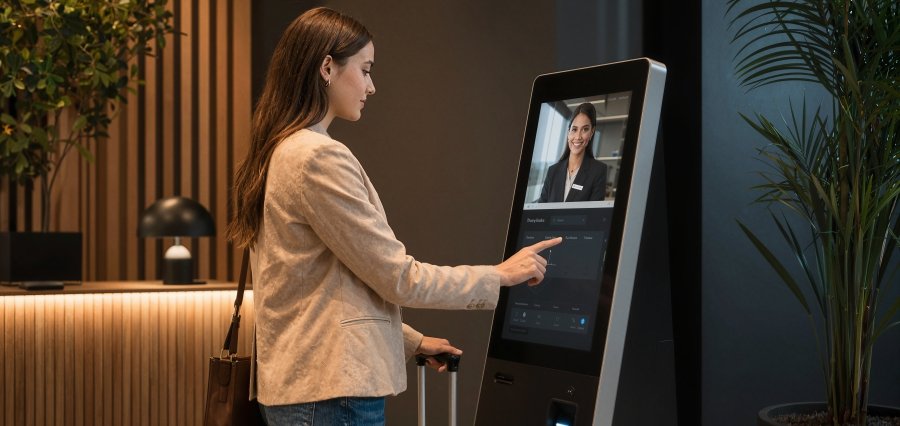
Contactless Hospitality tools such as self-service kiosks and digital keys also help thin out crowds at the front desk during busy check-in hours. That single change alters the entire energy of arrival, guests walk in and settle rather than wait and watch a growing line ahead of them. First impressions still shape everything that follows, and a smooth, calm check-in often sets the tone for the rest of the trip.
Why This Matters for the Business, Not Just the Guest
Here’s what often gets missed, this kind of upgrade is not only a guest-facing improvement, it reshapes how a hotel runs behind the scenes. Automating repetitive tasks reduces manual errors and frees staff to spend more time on real guest interactions instead of paperwork and data entry. Staff who get to focus on genuine service rather than repetitive admin tend to stay more engaged, and that shows up directly in the quality of service guests receive.
There is a clear revenue angle here as well. Hotels that invest in Digital Guest Experience tend to collect stronger reviews over time, and stronger reviews bring in more bookings. In a market where almost every traveler reads reviews before booking, that snowball effect on reputation is hard to ignore. Add in the efficiency gains from Contactless Hospitality, and the business case becomes even harder to dismiss.
Where Hotels Can Realistically Start
None of this requires a full overhaul on day one. A property could start small, maybe just mobile check-in or a basic messaging app for guest requests, and guests would notice the difference almost right away. These smaller upgrades add up over time into a much stronger overall Digital Guest Experience, and none of it requires a massive upfront investment or tearing up how the hotel currently runs. Picking just one or two contactless tools to start can be enough to get the ball rolling for bigger changes later.
Conclusion
Today’s travelers want convenience, but they still want to feel genuinely looked after, not just processed through a system. A strong Digital Guest Experience isn’t a passing trend anymore, it’s fast turning into the baseline for any hospitality brand that wants to stay relevant in a crowded market. Hotels that pair smart, well-placed technology with real, attentive service are the ones guests remember, and more importantly, the ones they choose to come back to again and again.