
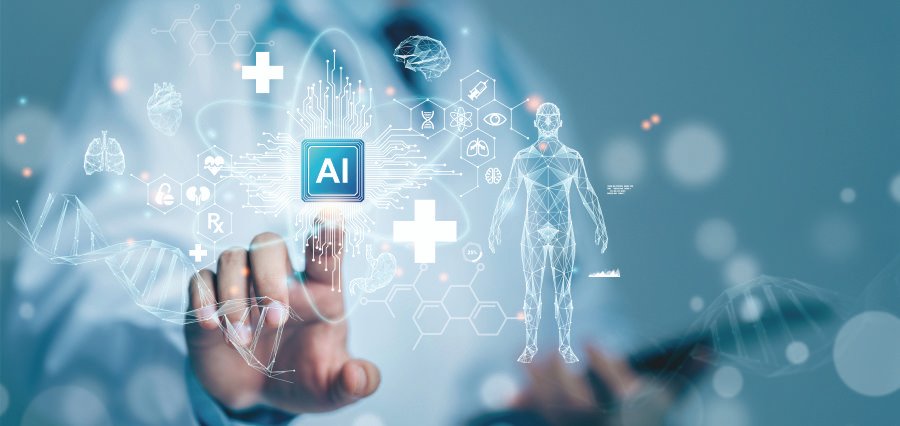
The healthcare landscape is undergoing a profound transformation, driven by rapid technological advancements and changing patient expectations. At the center of this evolution lies healthcare innovation, which is redefining how care is delivered, accessed, and experienced. Alongside it, digital health and telemedicine are reshaping traditional systems, making healthcare more efficient, accessible, and patient-centric. Together, these forces are bridging gaps that once limited the reach and quality of medical services.
The Rise of Technology Driven Healthcare Systems
Healthcare systems around the world are embracing technology to improve outcomes and streamline operations. From artificial intelligence to wearable devices, modern tools are enabling real-time monitoring and data-driven decision-making. Healthcare innovation plays a critical role in integrating these technologies into everyday medical practice.
Hospitals and clinics are increasingly relying on electronic health records, predictive analytics, and automated workflows to enhance efficiency. This not only reduces administrative burden but also allows healthcare professionals to focus more on patient care. At the same time, digital health and telemedicine are enabling remote consultations, reducing the need for physical visits and making care accessible to people in remote or underserved areas.
Patients now have greater control over their health, with apps and platforms that track vital signs, medication schedules, and lifestyle habits. This shift toward proactive care is one of the most significant outcomes of ongoing advancements in healthcare innovation.
Expanding Access Through Virtual Care and Remote Monitoring Solutions
Access to healthcare has long been a challenge, particularly in rural and developing regions. Digital health and telemedicine are addressing this issue by breaking down geographical barriers. Patients can now consult doctors, receive diagnoses, and even manage chronic conditions without leaving their homes.
Remote monitoring devices have become increasingly sophisticated, allowing continuous tracking of health metrics such as heart rate, blood pressure, and glucose levels. This data is transmitted directly to healthcare providers, enabling timely interventions and reducing the risk of complications.
Healthcare innovation is also driving the development of user-friendly platforms that connect patients with specialists across the globe. This not only improves access but also ensures that patients receive the best possible care, regardless of their location. For many, digital health and telemedicine have become essential tools in maintaining consistent and reliable healthcare support.
Enhancing Patient Experience Through Personalization and Data Integration Techniques
Modern healthcare is moving toward a more personalized approach, where treatments and care plans are tailored to individual needs. By leveraging data from various sources, healthcare providers can gain deeper insights into patient behavior, preferences, and medical history.
Healthcare innovation enables the integration of this data into cohesive systems, allowing for more accurate diagnoses and targeted treatments. Personalized medicine, supported by genetic information and advanced analytics, is becoming increasingly common, offering better outcomes and fewer side effects.
At the same time, digital health and telemedicine are improving patient engagement by providing convenient and flexible care options. Virtual consultations, online follow-ups, and digital prescriptions create a seamless experience that aligns with the expectations of today’s tech-savvy population.
Patients are no longer passive recipients of care; they are active participants in their health journey. This shift is redefining the relationship between patients and providers, making it more collaborative and transparent.
Shaping Future Healthcare Ecosystems With Innovation Driven Sustainable Solutions
The future of healthcare lies in creating systems that are not only efficient but also sustainable and inclusive. Healthcare innovation is paving the way for new models of care that prioritize prevention, early intervention, and long-term wellness.
Emerging technologies such as blockchain, robotics, and advanced diagnostics are set to further transform the industry. These innovations have the potential to improve transparency, enhance precision, and reduce costs. Meanwhile, digital health and telemedicine will continue to expand their reach, making healthcare more accessible to diverse populations.
Governments, private organizations, and healthcare providers are increasingly collaborating to build ecosystems that support innovation and growth. Investments in infrastructure, training, and research are essential to ensure that these advancements benefit everyone.
As the healthcare industry continues to evolve, the integration of healthcare innovation with digital health and telemedicine will remain a driving force behind progress. By embracing these changes, societies can move toward a future where quality healthcare is not a privilege but a universal right.