Prime Highlight
- Saudi Arabia recorded over 8.2 billion e-invoices in 2025, up 64% from the previous year.
- The growth is driven by the integration and linking phase, connecting taxpayer systems to the Fatoorah platform.
Key Facts
- The e-invoicing system has two phases: issuance and storage, and integration and linking, replacing paper invoices.
- In 2025, ZATCA provided 196+ electronic services with a 91% satisfaction rate and updated the AEO program for 753 companies.
Background
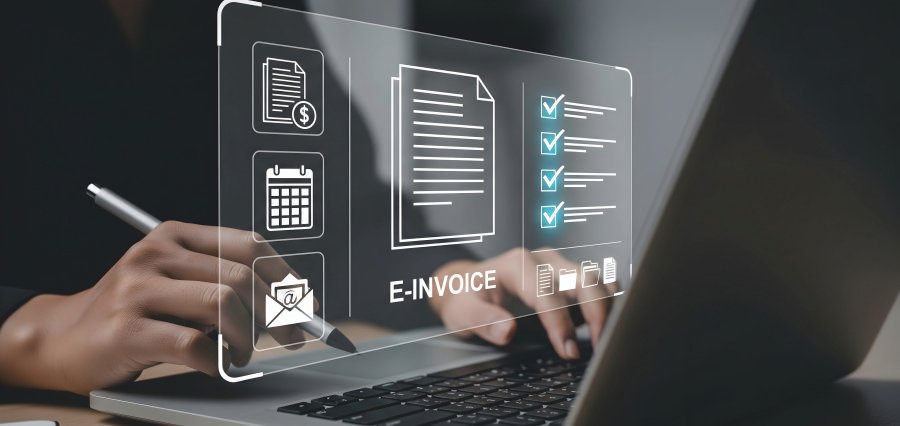
Saudi Arabia has reported a sharp rise in the use of electronic invoices, with more than 8.2 billion e-invoices exchanged in 2025, marking a 64% increase from the previous year, according to the Zakat, Tax and Customs Authority (ZATCA).
The authority said the growth reflects strong progress in the second phase of the e-invoicing system, known as the “integration and linking” stage. This phase connects taxpayer invoicing systems directly with the national Fatoorah platform, allowing invoices to move digitally in real time. ZATCA said the expansion has helped people follow tax rules and made the economy more financially transparent.
In comparison, the number of e-invoices exceeded 5 billion in 2024, up from around 3.1 billion in 2023, showing steady adoption since the rollout began.
ZATCA also highlighted wider digital success. In 2025, it offered more than 196 electronic services to taxpayers and businesses and reached a 91% satisfaction rate. The authority said improving its digital systems and connecting better with other government agencies helped speed up services and make them higher quality.
The year also saw major improvements in customs operations. ZATCA launched an updated version of the Saudi Authorized Economic Operator (AEO) program, with support from 14 government agencies. The program registered 753 companies and gave them faster approvals and stronger support for their supply chains.
Officials said these steps help position Saudi Arabia as a key global hub for trade and logistics, in line with the goals of Vision 2030.
The e-invoicing system has two phases. In the first phase, “issuance and storage,” which started in December 2021, businesses had to issue and store invoices digitally. In the second phase, which began in January 2023, 15 groups of companies must fully integrate their systems with Fatoorah.
The move replaces paper invoices with a fully digital process, allowing businesses to exchange billing data quickly, securely, and reliably.