
The modern hospitality industry emerges from its traditional slumber upon a critical technological precipice: the fourth industrial revolution. As we can see from Gartner’s report, the global spending on information technology-powered security has surged from $101.5$ billion USD in 2017 to a remarkable $212 billion in 2025. However, most of these resources traditionally flowed into siloed services and network protection. Yet, the real vulnerability wasn’t just in the infrastructure; it was in the outdated human management paradigms guiding security itself.
For decades, the classical security model, rooted in management schools of the 1970s, operated on a premise of distrust, advocating for distance between employees to prevent ‘exceptions and personal benefits.’ This system failed to evolve mechanisms to detect subtle fraud or cheating and relied heavily on intimidating appearances—where the ‘big muscles only show up in the gym.’
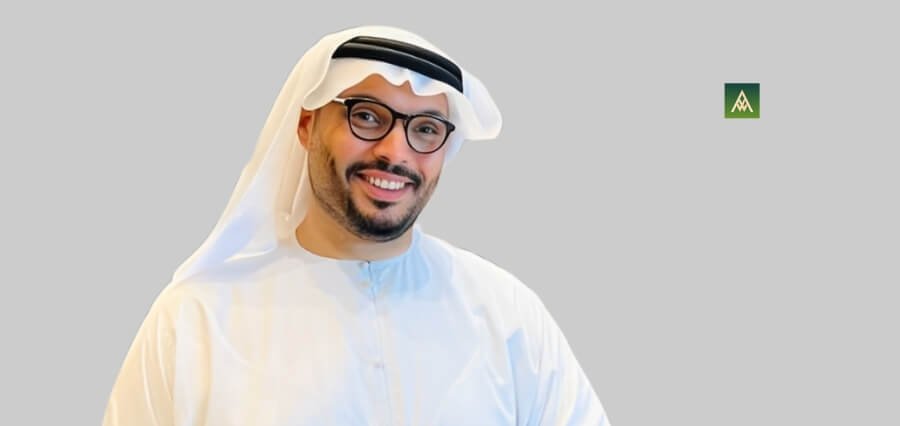
Enter Mahmoud Zaki, Cluster Security Manager at Marriott International, a visionary who recognized this profound gap between ‘classic security’ and the necessary ‘smart & strong’ modern system. Zaki understood that true security is not achieved through isolation, but through integration, technology, and trust.
He champions the modern philosophy where security is executed not by traditional, imposing figures, but by successful, kind professionals—be they a young chief with a quiet demeanor or a capable female security manager in high heels. His systems are designed with simple, clear policies and technology to prevent misuse of authority, bypassing the archaic need for suspicion. Paper files, old documents, and physical catalogs are gone, replaced by secure computer data, digital reports, and applications shared seamlessly across concerned departments.
Seamlessly blending comprehensive safety measures with the absolute requirement for exceptional guest experiences, Zaki is not just safeguarding Autograph Collection properties under Marriott; he is cultivating environments of genuine well-being. With a rich background spanning Park Regis, Accor, and Hyatt, Zaki has earned his place among the elite, recognized globally as a visionary redefining security within the hospitality sector—moving it from a necessary friction to an integrated, technologically enabled enabler of trust.
The Foundation of Empathy: Early Life and Education
Zaki’s journey began not in a security training camp but in the classroom, laying a profound foundation in human understanding. His educational background includes a Bachelor of Arts in Anthropology from Cairo University (1996-2000) and specialized language courses at The American University in Cairo. This training armed him with a crucial understanding of human behavior and communication—a skill set far more powerful than any standard security protocol. He later fortified this knowledge with industry recognition, earning the Certified Lodging Security Officer certification from AHLEI in 2012, demonstrating the highest standards of hospitality competence.
The Unwavering Ascent: Honing the Craft
Zaki’s professional trajectory is a steady climb marked by increasing responsibility. He spent over eleven formative years as Security Assistant Manager at Park Hyatt hotel Dubai, where he honed essential skills in protecting lives, handling emergencies, and maintaining safety. It was here that he cultivated his expertise in investigations and local authority liaison. He then moved on to serve as Chief of Security at Park Regis by Prince, managing comprehensive area safety, systems, and procedures while always prioritizing guest service.
His current and most influential role is as Cluster Security Manager for Autograph Collection by Marriott, where he oversees complex security operations and implements protocols that ensure safety and enhance overall guest satisfaction.
Leadership Redefined: The Smart Strong System
Zaki’s leadership is defined by a commitment to innovation and a clear vision that moves away from traditional, outdated methods. He is a champion of creating a healthy work environment where security personnel feel valued and supported, notably promoting the empowerment of women in security.
His contributions are significant:
Guest-Centric Security: Prioritizing a sense of well-being for every guest, ensuring security measures elevate the experience.
Technological Integration: Consistently staying current with the latest security technology, ensuring his team is optimally equipped.
This holistic approach earned academic expression with the recent publication of the third edition of his book, “The Smart Strong Security System.” This work, the culmination of nine years of dedicated research and personal insight, reinforces his status as a thought leader promoting empathy, innovation, and continuous learning.
“We believe and belong in security. We love what we do. Each officer is one of my team, and we are all responsible for protecting the system.”
Zaki encourages the next generation to have a clear vision, learn from every experience, and see challenges as opportunities for growth, reinforcing that every security role holds value and importance.
The Security of Human Connection: Lessons from HRSE
Zaki views his role as extending far beyond hardware and protocols, a belief powerfully reinforced by his attendance at the Human Resource Summit & Expo (HRSE). The experience highlighted the vital link between a psychologically safe environment and organizational success. He understood that true harmony between company strategy and personal interest is the key to collective achievement.
The summit taught him that not everyone is qualified for the sensitive roles dealing with human nature. Effective leaders—in security or HR—must possess great communication skills, lightheartedness, empathy, and compassion, capable of dealing with the full spectrum of human experience. Zaki brought back core tenets for his team:
- Be the employee’s advocate, not their judge.
- Focus on listening and studying situations closely to truly understand team members.
- In critical cases, leaders must act as ‘doctors specializing in the humanities.’
He stressed the importance of building trust, providing support away from malicious mistakes like corruption or harassment, and utilizing the ‘magic of team outings’ to encourage genuine connection, free from titles and pressure. Zaki’s takeaway was clear: once leadership focuses purely on documents, the connection with employees is lost. Security, like HR, must be valued and cared for.
Anticipating the Future: The Digital Frontier
Zaki’s foresight was publicly validated shortly after his insights at the second Digital CONFEX conference in November 2024. At the event, he had highlighted the imminent role of facial recognition technology during hotel check-in processes. Recently, this advanced security and convenience system was implemented in the United Arab Emirates, confirming Zaki’s ability to not only manage current security risks but also to accurately anticipate and prepare for the digital future of the hospitality industry. His expertise is defined by continuous learning and an unerring ability to integrate technological readiness with human empathy.
The Security of the Mind: Insights from Clinical Psychology
Zaki recognized that modern security demands expertise that extends into the human psyche. He draws heavily upon the principles of Clinical Psychology, which he sees as contributing directly to the concerns of law and security. Clinical professionals, in his view, are vital for scientific research, conducting criminal investigations, and preparing forensic reports.
More broadly, clinical psychology offers essential tools for assisting individuals and groups across a spectrum of issues: from trauma and addiction to neurological disorders and family relations counseling. By applying these psychological principles—including administering assessments, developing mental health programs, and understanding the motivations behind crimes—Zaki argues that security leaders can move beyond simple enforcement to truly understand and mitigate risk at its root. This perspective allows him to see a crime, such as a theft of a small tip, through the lens of a person’s upbringing, social challenges, and need, before determining disciplinary action.
The Vicious Circle: Authenticity and Leadership
Zaki’s philosophy of leadership is fiercely centered on the concept of authenticity. He challenges the notion that individuals are prevented from being themselves, positing that this self-censorship often stems from a fear of contesting risk or the desire to remain under the protection of another.
He warns that compromising one’s true self to gain outside validation or protection leads to a vicious circle. The individual is forced to adopt behaviors expected by the protector, leading to suppressed anger and, ultimately, self-hatred fueled by a sense of weakness. Zaki’s solution is liberation: Embrace vulnerability, accept the possibility of error, and preserve the ‘best of the company, (which, of course, includes yourself.’ To lead effectively, one must first possess the inner strength to ‘be as you are.’
Conscious, Conscience, and Conduct
Zaki emphasizes the crucial distinction between being conscious (awake and aware of the world) and possessing a conscience (the internal awareness of right and wrong). He notes that the conscience is the moral compass that curbs basic urges and guides prosocial behavior, making one feel guilt for wrongdoing and satisfaction for kindness. In the high-stakes world of security, this moral foundation is paramount.
This ethical lens guides his evaluation of staff misconduct. Zaki highlights the need to value employee mistakes contextually. He cites the example of two employees stealing the same small amount, arguing that the disciplinary action cannot be equal. The focus must be on “the spirit of the law” and whether the act was committed with ‘premeditation and deliberation.’ He categorizes major breaches into Four Evil Mistakes—Corruption, Harm to Business, Broken Site Operation, and Personal Offense—underscoring that true security leadership requires a conscious assessment informed by a strong conscience.
Talent vs. Made: The Leaders of Tomorrow
Finally, Zaki delineates two archetypes of leadership: the ‘Talent Manager’ and the ‘Made Manager.’ The Talent Manager is typically young, up-to-date, loves their career, and is driven by passion, vision, and creativity, sharing team values and eschewing routine constraints. In contrast, the Made Manager is often older, highly experienced, but dedicated to protocol, following rules rigidly, and reluctant to encourage change, focusing heavily on budget and targets.
Zaki notes that both paths require navigating the ‘ugliness of the morals’ of subordinates, confronting issues like selfishness, arrogance, and hypocrisy. However, his advocacy is clear: the future belongs to the Talent Manager—the leader who possesses the intellectual curiosity, emotional intelligence, and self-awareness to build a principled, proactive security system.
The Dual Command: Managing Up is Trust, Managing Down is Identity
Zaki views leadership as mastery of a dual mandate. Managing Up requires a strategic engagement with one’s superiors—convincing them of professional abilities, showcasing value, and diligently proving oneself to ‘let the manager believe in you.’ It involves learning the manager’s style and increasing one’s own business awareness to build a productive relationship.
However, his core identity lies in Managing Down. He asserts, “My Team. My Identity,” stressing that an effective leader focuses more on the people they are responsible for than on satisfying those above them. This involves creating a healthy work environment, sharing a clear vision and strategy, and being honest about challenges. Zaki builds loyalty through appreciation, celebrating birthdays, and holding regular outings to let the team “speak with confidence” and offer frank opinions. He advocates for empowering team members, giving them space to discuss issues and involving them in decision-making, ensuring that the best interests of the team as a whole are considered. True tactical success, he argues, is validated by those who work under a leader, who know his philosophy best.
The Freedom of Failure: An Ethical Imperative
Zaki’s wisdom is anchored in the fearless acceptance of vulnerability and risk. He notes that just as there is no success without failure, there is no personal freedom without the willingness to be oneself. He challenges the notion of being stifled by external forces, declaring that such fear only leads to a “vicious circle” of weakness and self-hatred.
He believes that “failure is the only way to success.” The true tragedy is not the mistake itself, but the failure to learn from it. Leaders must take losses, turn them into beautiful memories, and refocus on the opportunity at hand.
The Science of Assessment: Fairness and Legacy
The ultimate measure of Zaki’s system is a fair and professional team assessment. He stresses that an employee must feel their work is visible and appreciated; otherwise, they lose morale, leading to a decline in quality and the loss of skilled employees. Assessment must be a science and an organization, not a superficial critique. It must track mistakes gradually, focus on corrective development, and eliminate non-professional bias.
Zaki’s final counsel is that success requires a conscious and ethical balance: close to the system for professional rigor, but close to the personality for empathy. He concludes that his dedication is rooted in a fundamental belief: “We believe in the career of security, we love what we do, we belong in security.” This philosophy, which takes time and effort to instill in every team member, is the legacy of Mahmoud Zaki—the visionary who professionalized security by putting human integrity and technological foresight at its core.