Blended Learning
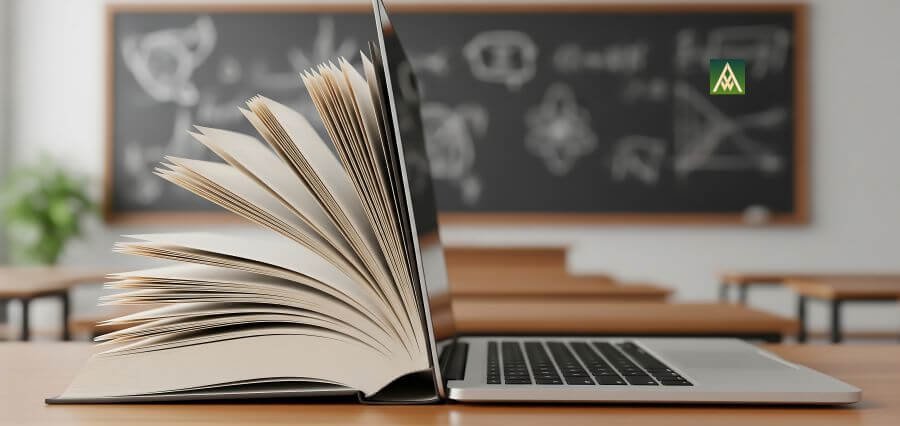
The process of education in the Gulf area is moving to a new era, where innovation, adaptability, and technology will define both the learning experience of students and the teaching techniques of educators. A lot of efforts have been made by governments and academic organizations in the region to ensure that their students can meet the demands of the modern economy, where knowledge is one of the key drivers. The core of such innovation is Blended Learning that is based on both classroom education and digital learning experiences of students. With the help of innovations, GCC Education is becoming increasingly adaptable to the changing requirements.
Creating Student-Focused Learning Environments
Each learner is distinctive in terms of strengths, interests, and preferences. Conventional teaching techniques find it difficult to cope with such challenges because personalized instruction is gaining significance. Blended Learning is helpful for teachers to integrate conventional face-to-face learning processes with online tools to make students learn at their own pace while providing them with appropriate help. Interactive lectures, multimedia materials, virtual communication, and online assessment help students participate actively in the learning process.
Technology Supporting Academic Excellence
Technology is one of the necessary partners in contemporary education. Learning management systems, cloud computing tools, artificial intelligence, virtual labs, and educational applications make it possible for teachers to offer classes that are both more engaging and more effective. In Blended Learning, teachers can track their students’ progress, see their gaps in knowledge, and help them whenever it is necessary. Moreover, students can use online libraries, recordings of lectures, and other interactive learning resources which will enhance their classroom experience. These technologies will keep improving the GCC Education in terms of accessibility, cooperation, and success of its students.
Developing Skills Beyond the Classroom
The future labor force needs people who have the ability to think critically and creatively, communicate effectively, and collaborate within different settings. Schools are increasingly focusing on developing these skills along with academic performance. Blended Learning enables learners to take part in collaborative work, research, presentations, and problem solving through technology in preparation for their future academic and professional endeavors. At the same time, GCC Education is fostering innovation, entrepreneurship, and life-long learning among its graduates in order to enable them to be flexible in an ever-evolving industrial world.
Building Future-Ready Institutions
The reform of education needs not only technology, but also efficient educators and effective leaders. The schools and universities have to train their faculty regularly in order for teachers to be able to use the technologies in their regular classes. With training programs, educators can prepare interesting classes, analyze the progress of students, and stimulate collaborative learning. Blended Learning will also allow the teacher to spend time coaching the students, rather than simply giving lectures. Educators create a motivating atmosphere in the classrooms, which promotes curiosity and independence of thought. All these reforms will help to strengthen GCC Education.
Encouraging Collaboration and Innovation
Collaborations among schools, universities, technological providers, parents, and industry experts lead to more robust learning environments. Collaborative efforts will ensure that the learners get exposed to practical implementations of what they learn in the classroom through internships, challenges, research, and community involvement activities. This prepares the learners for future professional life by ensuring that the theory taught to them is implemented in practice. The Blended Learning model will help learners work collaboratively from different locations through online collaboration tools. This will further enhance GCC Education by fostering innovations and developing curricula.
Preparing for the Future of Education
Technology, innovation, and changes in the labor market will continue to shape the future of education. Organizations embracing the Blended Learning approach will always be able to provide more flexible, interesting, and inclusive education in support of lifelong learning. GCC Education, on the other hand, will keep growing thanks to strategic investments in digital technologies, research, updating the curricula, and cooperation internationally. Leaders of educational institutions who promote innovation and have solid academic traditions will build resilient educational systems prepared for any challenges of the future. With the combination of good-quality education and technology, organizations will be able to enhance their learning results and prepare graduates to make contributions to economic development.
With the ongoing development of the educational system, it is crucial that policymakers, teachers, parents, and technology providers work together so that the process of learning is relevant and useful for the next generation. This way, students get all the necessary information and the skills required to excel in their future studies and careers.