
Prime Highlights
- SPPC has begun qualification for its third gas-fired IPP round, with each project planned at 1,800 MW capacity.
- Projects will use CCGT technology and be built to support future carbon capture systems.
Key Facts
- SPPC is Saudi Arabia’s principal electricity buyer, overseeing procurement rounds under the BOO model.
- The round supports Saudi Vision 2030 and the National Energy Strategy by drawing private investment into power generation.
Background
Saudi Power Procurement Company (SPPC), the kingdom’s main electricity buyer, has launched the qualification process for the third round of gas-fired independent power producer (IPP) projects across the country.
This initiative comes after the successful implementation of previous conventional IPP procurement processes by SPPC. In the first process, the projects included were Taiba 1, Taiba 2, Qassim 1 and Qassim 2, whereas in the second process, the projects involved were Rumah 1, Rumah 2, Nairyah 1 and Nairyah 2.
In all projects, the capacity for production is 1,800 megawatts each.
Through these successive rounds, SPPC continues to drive the transformation of Saudi Arabia’s electricity sector by drawing international and local private investment, boosting generation capacity, and backing the goals of Saudi Vision 2030 and the National Energy Strategy.
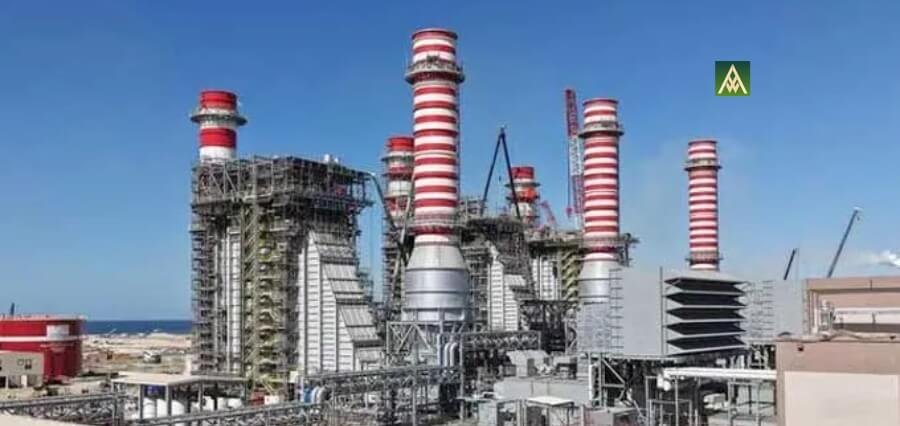
The new projects will use high-efficiency combined cycle gas turbine technology and will be built to accommodate future carbon capture systems, aligning with the kingdom’s plan to cut emissions and widen private sector involvement in the power sector.
Developers will build the projects under a build-own-operate model, with winning consortiums retaining full ownership of special purpose vehicles set up to finance, develop, own, operate and maintain the plants. Each vehicle will sign a long-term power purchase agreement with SPPC.
The third round forms part of Saudi Arabia’s wider plan to expand private investment in electricity generation while supporting its shift toward lower-carbon power through more efficient gas-fired plants and future carbon capture readiness.