Real estate is more than buying and selling property. It is a sector built on trust, long-term relationships, and the ability to deliver value through service, consistency, and strong market understanding. In fast-developing regions like Qatar, real estate leaders are expected to balance customer expectations, investor confidence, and operational excellence while staying prepared for shifting market conditions. The industry demands professionals who can lead with clarity, strengthen systems, and create measurable outcomes that support sustainable growth.
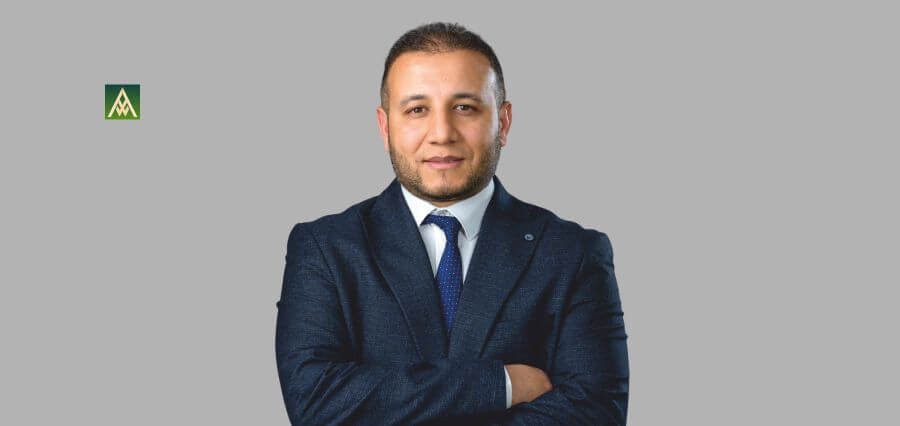
Hisham Selim, Chief Executive Officer (CEO) at Retaj Real Estate, represents this modern leadership approach through more than 17 years of experience in the real estate sector. His journey reflects a strong focus on service quality, performance discipline, and building a culture where accountability and results go hand in hand. Under his leadership, Retaj Real Estate has further sharpened its edge, completed a number of successful projects, and established a solid reputation with owners, tenants, and partners in Qatar’s competitive landscape.
With a clear emphasis on systems, team development, and customer-focused execution, Hisham Selim continues to shape Retaj Real Estate as an organization driven by long-term value and reliable performance.
Redefining Real Estate Leadership in Qatar
Hisham Selim has built his leadership journey through experience in real estate, commitment to service, and a clear focus on trust, quality, and long-term value. Throughout his professional path, he has remained focused on creating strong results for owners, tenants, and partners while building a company culture that values responsibility, accountability, and measurable success.
According to him, “real estate is centred on trust, service, and quality as long-term value for owners, tenants, and partners.” This commitment has been recognized through international property awards as well as Arabian and European property awards. He expressed pride in receiving recognition for letting agency excellence in Qatar and for strong performance in other areas.
His leadership journey has been shaped by particular experience in real estate and by leading teams through both growth and challenge. These moments taught him that leadership requires clarity, calm decision-making, and enabling people to succeed. This mindset continues to support the services and standards.
With more than seventeen years of experience in the real estate industry, he is currently serving as CEO where he continues to lead operations, strengthen systems, and drive performance across the organization. This growth reflects a leader who values learning from experience and applying those lessons in practical ways that strengthen business performance.
Turning Vision into Priorities and Results
While many leaders speak about vision, Hisham Selim believes execution is what defines success. In an industry as complex as real estate, where every project involves multiple stakeholders, timelines, and financial considerations, vision must be transformed into measurable action.
For him, “vision becomes reality when it is translated into priorities, KPIs, and clear ownership across departments.” He emphasizes the importance of aligning teams through consistent reviews, defined targets, and open communication that keeps everyone focused.
Regular reviews and shared targets ensure that performance remains aligned across the organization. This disciplined approach supports consistency, especially when the goal is to maintain internationally recognized service standards.
Leading Through Pressure with Facts and Reputation in Mind
In today’s real estate market, leadership requires the ability to respond quickly to changing conditions. Hisham Selim highlights that during high-pressure situations, he relies heavily on facts, risk evaluation, and customer impact.
He believes the company’s reputation in the market must always remain protected, and customer care must remain a priority, especially when uncertainty rises. His approach is rooted in responsibility, where decisions are made with accountability and based on a clear plan.
When difficult situations arise, he believes it is important to consult experts quickly and respond with structured decision-making. In his view, “consistency and decision-making discipline are essential for building trust and protecting company performance.”
This method has helped him guide teams through challenging phases without losing focus on long-term goals.
Delivering Successful Projects in Lusail
Real estate strategy may look strong on paper, but execution is where complexity truly begins. Hisham Selim points to a recent projects in the Lusail area as an example of how leadership, planning, and adaptability come together.
He explains that the team developed a strong plan for the project, but during execution they faced a critical situation that required an immediate shift in approach. Instead of allowing the challenge to stop progress, the team created another plan and developed an alternative solution. This ability to adapt became an important reason for the project’s success.
Today, he expressed pride in the outcome because the project was sold successfully and delivered very good profit for the company.
He also explained that the company introduced different ideas and different solutions with tenants. Payment plans were arranged in different ways, and the team also worked with banks to create suitable solutions.
As a result, the product was sold completely. This experience reflects how planning, flexibility, and teamwork can turn challenges into profitable results. It also shows how customer-focused thinking can support commercial success.
Building Leadership Across the Team
Hisham Selim believes that strong organizations are built when leadership exists throughout the team. He focuses on developing leadership by giving real responsibility, coaching team members, and rewarding ownership.
He also places importance on accountability through clear expectations and measurable outcomes. According to him, all outcomes should be measurable so that progress can be tracked and standards can be maintained.
When leadership is developed at every level, service quality becomes consistent and scalable. Departments become stronger, decisions become faster, and the organization becomes more capable of handling growth.
His philosophy is not based on leadership from the top alone. Instead, it is based on creating more leaders inside the company. By sharing responsibility, he creates stronger confidence within teams and better readiness for future expansion.
Performance and Culture Supporting Each Other
For Hisham Selim, performance and culture are closely connected, as he explains, “performance and culture support each other. Strong results come from engaged people.” He shared that the company tracks KPIs while also investing in development and recognition as part of a respectable working environment.
This balance ensures sustainable performance rather than short-term gains. Instead of focusing only on immediate numbers, the company builds long-term strength through people development and accountability.
His perspective shows that targets and culture do not need to compete. When managed correctly, they reinforce one another. This creates an environment where employees are motivated to contribute consistently.
Innovation Through Safe Ideas and Team Brainstorming
Hisham Selim believes innovation grows when teams feel safe to share ideas and improve processes. According to him, people perform better when they are encouraged to think openly and contribute solutions.
He explained that the company provides direction and boundaries so that smart risks are encouraged while quality remains protected. This helps turn creativity into measurable value for the organization.
The team is supported in bringing different ideas and different solutions. Brainstorming is an important part of the culture, and many sessions are held weekly. When useful ideas are identified, they are considered for application within the business.
This regular exchange of ideas helps the company remain active, adaptive, and improvement focused. It also strengthens collaboration between departments and encourages a mindset of continuous progress.
Strengthening Operations Through Technology and Systems
Technology has become one of the most important elements in the organization. Hisham Selim stated that the company is building very good technology and systems and continuously improving them.
He emphasized that systems are improved every day and that the organization already has experts in this field.
He also reflected on how leadership and operations have changed over time. In earlier years, systems were not considered as important as they are today. Now, however, everything can be followed from home or from anywhere.
This modern approach allows leaders to focus more clearly on services, execution, and continuous improvement. Through his platform, he can monitor the company daily and see any change in each department. This level of visibility helps improve control, decision-making, and responsiveness across the business. It also helps maintain standards while supporting faster growth.
Recognizing Opportunities in Qatar and the UAE
While markets can change, Hisham Selim sees opportunities where others may only see challenge. He explained that building values have come lower in some cases, creating more opportunities in the market.
He highlighted Qatar and the UAE as strong markets where good opportunities can be arranged for those who are prepared. He specifically pointed to good buildings in Qatar, including Lusail and The Pearl, as well as opportunities in the UAE where investments can be made.
This perspective reflects a leader who remains alert to market timing and value creation rather than focusing only on short-term conditions. His market awareness supports confident and strategic decision-making.
Evolving Leadership Style Over Time
Looking back over the years, Hisham Selim described how his leadership style has evolved.
Earlier in his career, his style was more directive. Today, it has become more collaborative and coaching focused. This shift came through learning that strong systems and empowered teams outperform individual effort alone.
He believes systems are now very important for the team and for the work platform. Where businesses once worked very hard without enough direction, modern systems now help leaders focus more clearly. This allows better service, better execution, and clearer understanding of where improvements are needed.
The evolution of his leadership style shows maturity, adaptability, and a willingness to grow with changing business needs. It also reflects the value he places on empowering others.
Building Trust Through Honest Communication
As a leader working with investors, owners, tenants, partners, and employees, Hisham Selim understands that clear communication is essential. Trust remains a cornerstone of his leadership. As he states, “trust comes from honest communication, consistent delivery, and respecting commitments.”
He prioritizes listening to employees, owners, tenants, and partners, then responding with action. For him, listening is not enough unless it is followed by meaningful results.
Transparency strengthens relationships and protects the long-term reputation of the company. In sectors like real estate, reputation plays a major role in future growth. His communication style reflects responsibility, respect, and reliability. These qualities help create confidence across all stakeholder groups.
Aligning Different Cultures, Goals, and Stakeholder Expectations
Leadership often requires aligning people from different backgrounds, cultures, and priorities. Hisham Selim acknowledged that every time leaders meet different people, they also meet different aims and goals.
Partners and stakeholders may focus on investment and improving the company in different ways, while others may have personal goals in life that they want to arrange. His responsibility, as he explained, is to match these different interests together and direct them toward organizational goals. To do this, he gives direction, sets targets, and supports people at each point. He then looks at what is required to achieve those goals.
He also supports the team with systems, training, and development so they can become leaders themselves. This remains one of his core philosophies: support people, measure progress, and help them grow into leadership roles. Through alignment, he creates unity of purpose inside the organization.
Real Estate as a Responsibility to Society
For Hisham Selim, leadership goes beyond business success. He believes “leadership is about responsibility and commitment to people in the organization, to people in the country, and to society.”
He described real estate as one of the most important services for people. Everyone needs an apartment to live in, which makes the sector deeply connected to daily life. Because of that, he believes companies must always improve services, add better ideas, and continue creating stronger customer experiences.
He also shared that the company regularly conducts brainstorming and benchmarking to understand where it stands in the market and how it can improve in the field. This perspective shows that for him; business growth and social value can move together. Strong service in real estate creates value for communities as well as customers.
Advice for Emerging Leaders
As he looks to the future, Hisham Selim aspires to build a legacy of integrated strong teams and service excellence that sets benchmarks in the market.
He advises emerging leaders to stay close to customers, lead calmly, and remain consistent in standards. He also believes that when leaders invest in people and drive execution, they create lasting impact, very good growth, and strong results inside the organization.
This advice reflects the same principles that have shaped his own journey: discipline, people development, trust, and execution. These values continue to guide his leadership direction.
Setting New Benchmarks for the Next Generation of Leadership
Hisham Selim continues to represent a modern leadership model in Qatar’s business environment. His focus on trust, service quality, systems, measurable outcomes, and people development has positioned him as a leader creating strong standards for the future.
From award-recognized service to profitable projects in Lusail, from empowering teams to strengthening systems, his leadership journey reflects consistency and purpose.
As Qatar moves into a new era of opportunity, leaders like Hisham Selim are helping set the benchmarks that others will follow. His continued commitment to excellence, innovation, and responsible leadership places him among the executives shaping the next chapter of success in the region.