Facility Operations Management
The organizations in Kuwait experience rapid changes because of urban development and infrastructure expansion and digital advancements and increasing sustainability requirements. The operational efficiency and quality of service are becoming increasingly important to businesses in industries like healthcare, commercial real estate, hospitality, education, and industrial services. The Facilities Management Leaders in Kuwait establish important presence because they drive operational excellence and support sustainable growth for organizations.
The increasing operational challenges of business operations require safe and efficient sustainable business practices which Facility Operations Management (FOM) provides. Facilities management today extends beyond its original functions of building maintenance and management. The current system has developed to include strategic planning functions together with energy management and technology integration and workspace optimization and risk management activities. Companies that concentrate on operational excellence processes achieve higher customer satisfaction levels which lead to improved business operations.
Operational Efficiency and Infrastructure Development
Kuwait’s current infrastructure projects and economic diversification efforts have created a rising need for their advanced facilities management services. The operating systems that businesses require must fulfill the operational requirements of present-day work environments and extensive business operations and evolving customer needs. The Facilities Management Leaders in Kuwait adopted strategic operational methods that utilized advanced technological systems to implement their required changes.
Effective Facility Operations Management enables organizations to improve their maintenance planning capabilities while achieving better resource distribution and reducing operational interruptions. The implementation of structured operational systems enables businesses to decrease their maintenance expenses while improving their asset performance and maintaining safe working conditions. The facility operates smoothly, which creates a work environment that supports employee health and helps maintain operational efficiency throughout the day.
Technology and Smart Facility Solutions
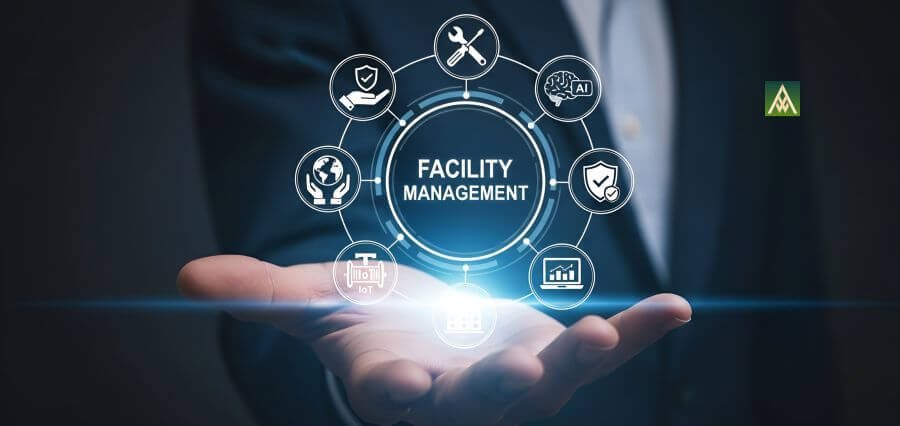
The use of technology is dramatically changing the way facilities are managed in Kuwait and worldwide markets. Companies can monitor building performance and operational conditions through real-time tracking which they achieve by using automation systems combined with smart sensors and Artificial Intelligence (AI) and predictive analytics. The digital tools provide operational visibility which helps users to make fast decisions based on accurate information.
Kuwait FM Leaders consider smart building technology adoption as an essential requirement because this technology improves operational efficiency and supports sustainable practices. Automated systems enable businesses to monitor their energy consumption and detect maintenance issues and enhance their indoor facility conditions. The enhancements help to reduce operational costs and increase reliability of services.
Meanwhile, Facility Operations Management is being integrated with sustainability and environmental responsibility. Organizations should minimize energy consumption, waste management, and promote environmental responsibility. Companies that focus on sustainable business operations may be more likely to build a better reputation and meet changing regulations.
Digital transformation also enables better communication and coordination between service providers, operational teams and executive management. A well-integrated facility management system can help organizations better handle operational challenges and ensure service quality and a safe workplace, as they can react quickly.
Leadership, Workforce Development, and Operational Resilience
Good leadership continues to be one of the most critical elements for successful operations. Effective operational leaders are instrumental in keeping organizations accountable, fostering teamwork and driving continuous improvement in departments. The workforce development and operational training is a key concern of many Kuwait’s FM Leaders in order to enhance the overall long term performance of the organizations.
Highly trained technicians and those with an understanding of how things work are critical to the running of a facility efficiently. Those that commit resources to workforce education and professional development have a better chance of success when undertaking modernization efforts and ensuring consistency of operations. A competent operations team also plays a crucial role in maintaining safety, customer satisfaction, and business continuity in the workplace.
The success of Facility Operations Management functions as an essential element which supports both Organization Resilience and Risk Management practices. The systems of companies must remain operational while up-to-date systems are installed, and the companies must develop operational plans to manage equipment breakdowns and cybersecurity incidents and changing legal requirements. The implementation of structured operational frameworks enables organizations to maintain their stability during uncertain times while achieving their goal of sustaining operations in the long run.
The Future of Facilities Management in Kuwait
In the industries where facilities management is an important part of Kuwait’s ongoing investment in the modernization of its economy, infrastructure and digitalization, the function will continue to change. Companies with efficient business systems will likely have better financial results and organizational resilience.
The success of Facility Operations Management functions as an essential element which supports both Organization Resilience and Risk Management practices. The systems of companies must remain operational while up-to-date systems are installed and the companies must develop operational plans to manage equipment breakdowns and cybersecurity incidents and changing legal requirements. The implementation of structured operational frameworks enables organizations to maintain their stability during uncertain times while achieving their goal of sustaining operations in the long run.